
Election Commission declines to disclose electoral roll software details, cites trade secrets
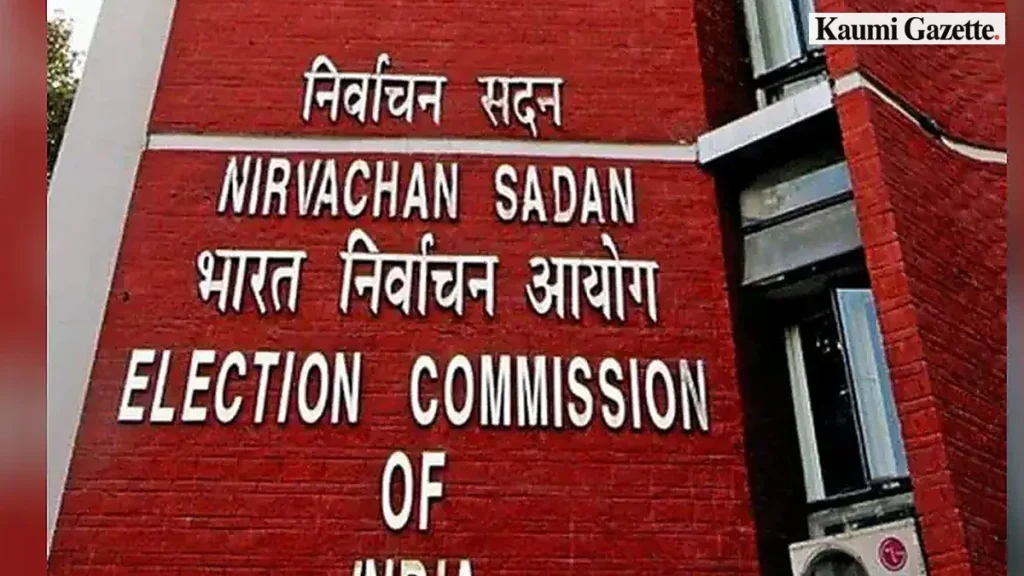
NEW DELHI — The Election Commission of India has declined to release specific technical details regarding the software utilised in the Special Intensive Revision of electoral rolls, citing trade secrets and intellectual property protections.
In response to an application filed under the Right to Information Act, 2005, the poll body withheld the name and version of the application used during the exercise. The commission maintained that commercial confidence, trade secrets, and intellectual property rights justified the non-disclosure under Section 8(1)(d) of the transparency legislation. At the same time, the commission stated that it had neither developed nor procured any new software specifically for the revision process.
The response was issued on October 16 in connection with an RTI application submitted by M A Mujeeb Ayyub on July 27. The original query sought comprehensive details concerning software, applications, algorithms, or artificial intelligence platforms deployed to identify errors in voter records, alongside inquiries into whether records were subjected to automated flagging.
Addressing queries about automated decision-making and digital error-detection, the Election Commission stated that inquiries regarding automated flagging, artificial intelligence usage, and associated safeguards sought clarification rather than concrete material, and therefore did not qualify as “information” under Section 2(f) of the RTI Act.
The commission further emphasised the statutory framework governing electoral administration in India. Citing Sections 13B(1) and 13B(2) of the Representation of the People Act, 1950, the authority reiterated that the Electoral Registration Officer of the concerned assembly constituency remains the sole statutory authority empowered to prepare and revise electoral rolls. According to the poll panel, final determinations regarding the inclusion or exclusion of any elector are made by these officers based strictly on underlying facts and records.
Under the provisions of the transparency framework, the applicant has been informed that an appeal against the commission’s response can be lodged before the first appellate authority within 30 days of receiving the communication.
Related stories
 NationalSupreme Court agrees to examine petition challenging electoral roll revision in Maharashtra
 NationalRahul Gandhi Conditions Delhi Protest Halt on Election Commissioner Removal
 NationalCongress president Mallikarjun Kharge outlines INDIA bloc demands for election commissioner resignation and paper ballots
More from India
 NationalManipur violence leaves ten dead as intelligence agencies cite drug cartel conspiracy
 NationalOpposition Leader Mallikarjun Kharge Weighs Traders Appeal Over Planned Delhi Rally
 NationalElection Commission declines RTI request for voter roll software details, citing intellectual property exemptions
 NationalManipur Chief Minister asserts state cannot attain progress while gun culture persists
 NationalCongress accuses Election Commission of withholding software details and demands suspension of electoral roll revision
 NationalOpposition INDIA bloc announces Delhi rally against Election Commission over voter list allegations