
Africa CDC Warns of Global Spread as Ebola Outbreak Exceeds 10,000 Cases
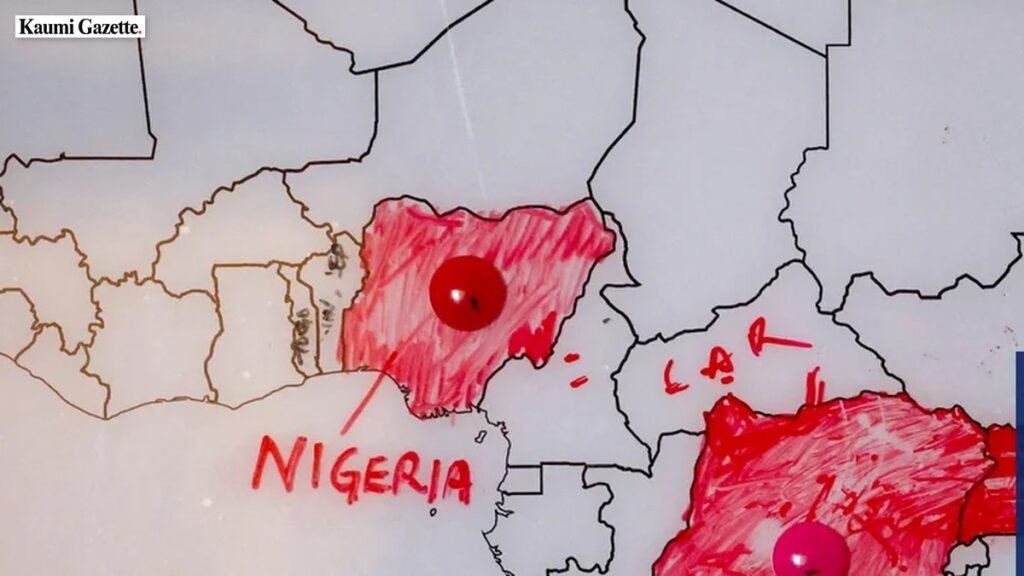
NEW DELHI — An unprecedented Ebola outbreak across Africa has surpassed 10,000 cases and nearly 5,000 deaths, prompting warnings from health authorities that the virus could spread to the United Kingdom and other international destinations.
Dr Jean Kaseya, director general of the Africa Centres for Disease Control and Prevention (CDC), stated that the geographical extension of the crisis is unlike any previous instance. It marks the first time three separate African regions have been affected by the virus. Comparing the trajectory to the early stages of the Covid-19 pandemic, Dr Kaseya cautioned that countries outside the continent must raise their preparedness levels. “We want all countries to know that they are not safe if they don’t take appropriate measures,” he said, adding that health officials want to prevent nations like the UK from turning into unexpected hotspots.
The current crisis stems from the 17th recorded Ebola outbreak in the Democratic Republic of the Congo (DR Congo) since the disease was identified. While DR Congo’s health ministry formally declared an outbreak in Ituri province on 15 May, genetic sequencing indicates the transmission began as early as February. It has since become the largest and deadliest outbreak in the country’s history. Out of a total 10,091 documented cases globally, 10,060 occurred within DR Congo, resulting in 4,887 deaths. The virus has also crossed borders into Uganda and Kenya, each recording two deaths, while a single case was confirmed in Abuja, Nigeria, after a traveler arrived from Uganda. France remains the only non-African nation to confirm an infection during this cycle, involving a doctor returning from DR Congo in June.
Efforts to contain the epidemic face severe operational hurdles, including ongoing conflict in DR Congo, inadequate protective equipment, unpaid health worker wages, strikes, public mistrust, and misinformation. Compounding these challenges, international funding has lagged behind pledges. While global governments previously pledged $3 billion (£2.3 billion), more than $2 billion remains outstanding, alongside a $120 million commitment from African nations. “We need this money now,” Dr Kaseya said, warning that failing to fund African containment efforts immediately will only lead to greater expenditures later as the outbreak continues to move.
Medical options remain limited because the specific strain, the Bundibugyo virus, currently has no approved treatment. However, vaccine trials are underway, with preliminary results anticipated within three to six months. Ebola is classified as a highly contagious, severe, and frequently fatal illness that spreads through direct contact with infected bodily fluids such as blood, vomit, or deceased bodies.
To address the escalating crisis, Dr Kaseya is scheduled to convene a meeting of African health ministers on Wednesday to press for enhanced cross-border cooperation and rigorous screening protocols at points of entry and exit. A subsequent meeting with African heads of state is planned for November, where officials will push for a designated “corridor of peace” in active conflict zones to allow medical personnel safe access to affected populations.
Related stories



More from World
 WorldBritish Employers Question Proposed Cost Increases for Older Apprenticeship Training
 WorldLula wins Brazil presidential runoff as opponent contests result
 WorldDisplacement follows military sweep in Hebron after checkpoint attack
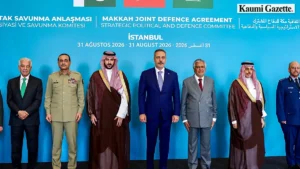 WorldMecca Defence Alliance delegations hold high-level security talks in Tehran amid regional tensions
 WorldSaudi-led coalition intercepts incoming missiles as cross-border attacks escalate
 WorldTrump Administration Removes Thirteen Percent of Americans From Federal Food Stamp Program