
Election Commission defends electoral roll revision in Supreme Court, affirms unanimous decisions
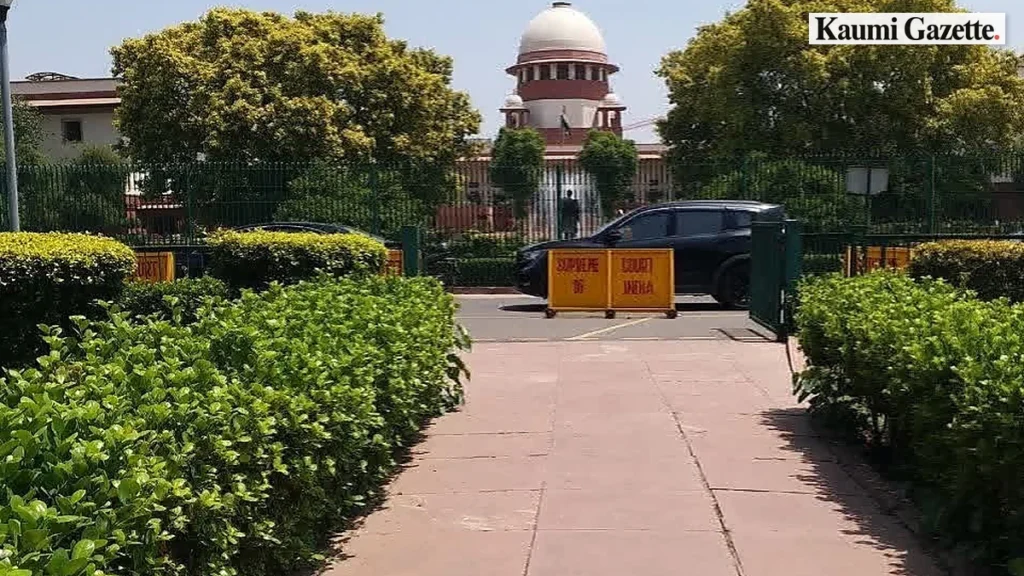
NEW DELHI — The Election Commission of India has told the Supreme Court that all decisions concerning the Special Intensive Revision of electoral rolls were approved unanimously by its three members, while denying that any modifications were made to the statutory voter registration documents.
In a counter-affidavit filed by Deputy Election Commissioner Bhanu Prakash Yeturu, the poll panel defended the legal validity of the revision process. The affidavit stated that orders issued on June 24, 2025, October 27, 2025, and May 14, 2026, scheduling the revision across various states and union territories, were adopted unanimously under Article 324 of the Constitution and Section 18 of the Chief Election Commissioner and Other Election Commissioners (Appointment, Conditions of Service and Term of Office) Act, 2023. The filing was approved collectively by Chief Election Commissioner Gyanesh Kumar and election commissioners Sukhbir Singh Sandhu and Vivek Joshi.
The Supreme Court proceeding stems from petitions filed by Rakesh Kumar Singh, which challenged the legal standing of the Commission’s decisions and the functioning of the CEC. Those petitions relied on a media report alleging that election commissioners Sandhu and Joshi had filed written objections at least 14 times over a ten-month period regarding revision orders.
Addressing concerns over voter registration paperwork, the Election Commission stated that Form 6 has not been amended. The panel noted that under the Registration of Electors Rules, 1960, only the central government holds the authority to alter the prescribed registration form.
The Commission explained that beginning October 21, 2026, the online application framework was structured into two distinct components: Form 6 and a revision declaration. According to the poll body, this revised declaration serves as a mechanism to exempt applicants seeking voter registration from submitting extensive documentation during the claims and objections phase.
The Supreme Court issued notices to the Election Commission, the Chief Election Commissioner, and other officials in connection with the petitions.
Related stories

More from India
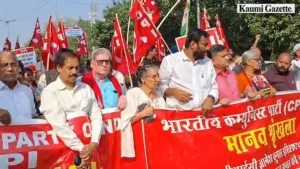 NationalCommunist Party of India stages protest in New Delhi demanding Chief Election Commissioner resignation
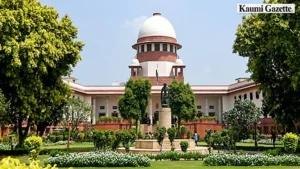 NationalElection Commission defends decisions on electoral roll revision before Supreme Court
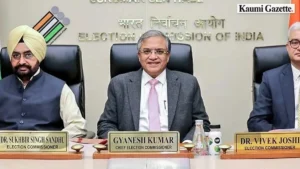 NationalElection Commission informs Supreme Court that poll officials acted unanimously on electoral roll revision
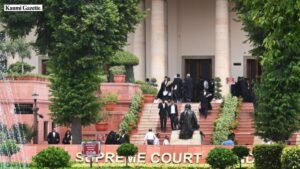 NationalSupreme Court issues notices to Election Commission and Maharashtra government over voter deletions
 NationalCongress urges traders to join protests demanding Election Commissioner resignation
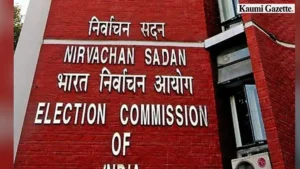 NationalElection Commission declines to disclose electoral roll software details, cites trade secrets