
Retired Judge Biswajit Basu resigns from West Bengal electoral roll appellate tribunal

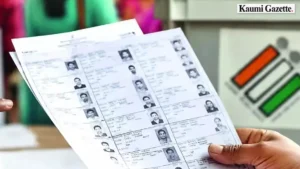
KOLKATA — Justice Biswajit Basu, a retired judge of the Calcutta High Court, has resigned from the tribunals established to hear appeals concerning the Special Intensive Revision (SIR) of electoral rolls in West Bengal, citing personal reasons.
Justice Basu communicated his decision to Chief Justice R V Ghuge on Saturday. His departure marks the fourth resignation among the 19 retired high court judges initially appointed to head the appellate tribunals across the state.
The tribunals were constituted by the Election Commission of India (ECI) in March, following directives from the Supreme Court, to adjudicate matters regarding the inclusion or exclusion of voters in the wake of the extensive electoral roll revision.
The SIR exercise led to significant revisions in voter rolls across West Bengal, resulting in the deletion of nearly 91 lakh voters. More than 64 lakh of those removed were categorised under the ASDD group—comprising voters classified as absent, shifted, dead or duplicate—while over 27 lakh voters were deleted following the broader adjudication process.
The resignations have raised administrative concerns regarding the handling of pending appeals. Justice Basu and another former judge, Justice Indrajit Chatterjee, had been assigned responsibility for cases stemming from Murshidabad district, a Muslim-majority area that recorded the highest number of deletions under the logical discrepancy category.
According to sources within the national poll body, the consecutive resignations of judges handling cases in the region are likely to impact the timely disposal of appeals in Murshidabad district.
Justice Basu is the fourth member of the judiciary to step down from the 19-member panel. Previous resignations include former Calcutta High Court Chief Justice T S Sivagnanam, along with retired judges Ranjit Kumar Bag and Indrajit Chatterjee. Justice Chatterjee previously stepped down citing logistical difficulties, including daily travel requirements, the temporary nature of the assignment, and a heavy volume of pending cases handled primarily through virtual hearings at Block Development Officer offices.
Related stories


More from India
 HeadlinesDozens killed in missile strike on Taiz market amid escalating Yemen conflict
 NationalSupreme Court dismisses curative petition by former Short Service Commission Officers seeking pro-rata pension
 HeadlinesKarnataka Alleges Excess Ethanol in Petrol While Retailers Reject Claims
 HeadlinesCockroach Janata Party holds protest march in Kochi demanding electoral roll revision withdrawal
 ExplainerDemocrats capture Congress as voter backlash over Iran conflict reshapes United States politics
 NationalSupreme Court rules High Courts cannot dictate terms for future regular bail after denying anticipatory relief