
Sudan conflict deepens food shortages as international aid agencies warn of mounting famine risks
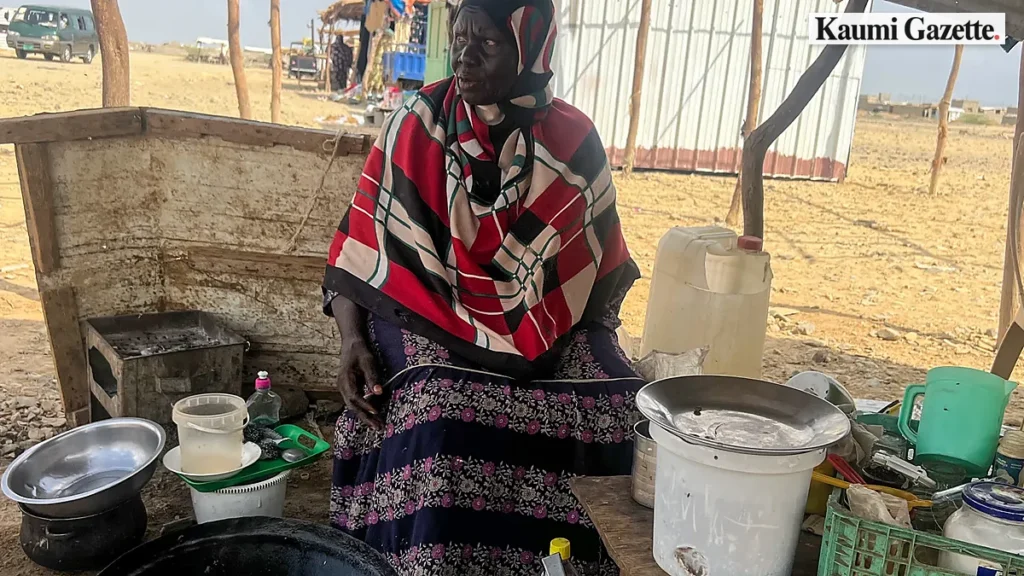
NEW DELHI — A severe humanitarian crisis is unfolding across Sudan as ongoing warfare between the Sudanese Armed Forces and the paramilitary Rapid Support Forces drives a mounting food shortage and heightens the risk of widespread famine.
The conflict, which erupted on April 15, 2023, has displaced 13 million people and killed as many as 200,000 individuals, according to aid workers. International organisations and foreign governments have raised alarms over the rapid deterioration of basic living conditions, citing dwindling humanitarian aid and severe funding shortfalls that threaten millions of vulnerable civilians.
The United States Department of State warned in a joint statement released on October 27 of a sharp decline in food availability and an escalating risk of famine in the coming months. Compounding the crisis, the World Food Programme announced on October 22, 2026, that critical funding shortages had forced reductions in monthly food assistance, impacting approximately 900,000 displaced people.
According to World Food Programme data, 19.5 million people nationwide currently face acute hunger, with five million experiencing emergency levels of food shortages. The agency noted that the risk of famine remains particularly high in hunger hotspots across Greater Darfur and Greater Kordofan.
Displaced civilians fleeing the conflict zones have reported severe destitution and harrowing journeys. Esraa Mohammed reported that newly arrived individuals at the al-Suraiha 8 IDP camp in al-Obeid described eating tree leaves while escaping South Kordofan out of fear of violence by Rapid Support Forces fighters. The camp currently houses 450 registered displaced people alongside 40 newly arrived individuals who lack official registration, food, and adequate protection from weather elements.
Aid agencies and international monitors continue to emphasize that declining assistance leaves vulnerable families deprived of essential food and medical care, amplifying mortality risks among children, women, and older residents in active conflict and displacement areas.
Related stories



More from World
 WorldBusiness jet crashes in Florida neighborhood, killing nine people on board
 WorldGarment workers stage widespread protests across Bangladesh demanding higher minimum wages
 WorldTrump Targets Democratic Candidates with Islamophobic Rhetoric at Final Midterm Rallies
 WorldFrench Authorities Open Investigation After Petrol Bomb Thrown at Police Amid European Unrest
 WorldTrump Campaigns in Iowa and Kansas to Defend Congressional Majorities Ahead of Midterms
 WorldArab Political Factions Emerge as Potential Kingmakers After Inconclusive Israeli Elections