
Cyber Attacks Compromise Emergency Warning Systems in Ukraine and Russia
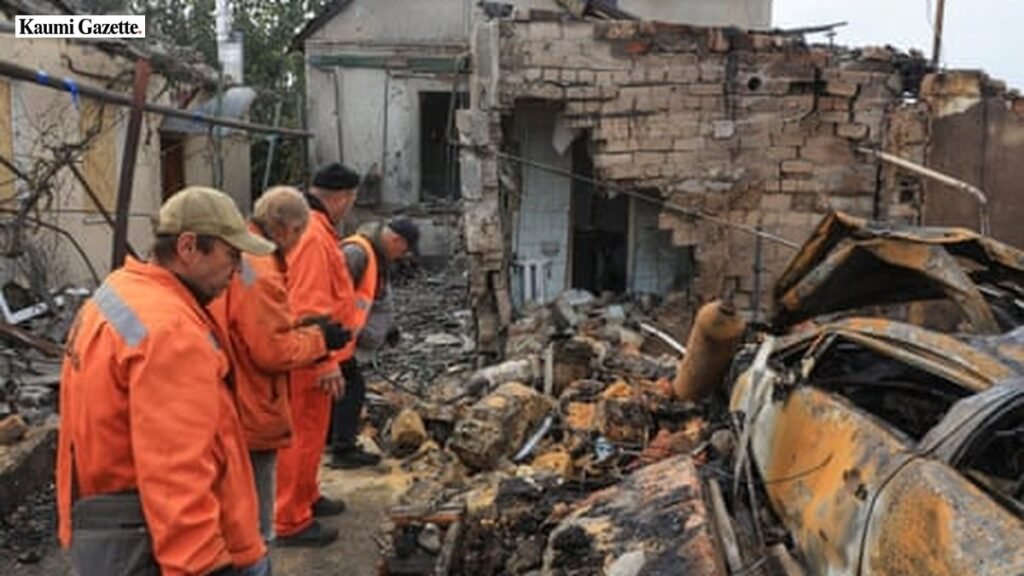
KYIV — Emergency warning mobile applications in both Ukraine and Russia were targeted and compromised by cyber-hacks late on Sunday night, broadcasting false alerts regarding nuclear, radiation, chemical, and street-fighting threats.
The coordinated digital disruptions coincided with a string of separate technological and political disturbances across Europe. Supermarket refrigeration systems were hacked in Sweden, Belgium, and Luxembourg, while in Brussels, Belgian Prime Minister Bart De Wever offered his resignation to King Philippe following a domestic budget deadlock and the collapse of coalition party talks.
In Kyiv, residents received a succession of alarming notifications over roughly an hour starting late on Sunday night. The false prompts warned of a radiation threat, a nuclear alert mentioning Oreshnik, a chemical hazard, and active street fighting, instructing citizens not to go outside.
Ukrainian authorities stated via Telegram that they believed the Air Alarm app system had been compromised by unauthorised parties and was temporarily taken offline. Officials moved quickly to reassure the public, issuing updates through their official channel stating that the application had been subjected to hostile interference and that no radiation threat existed.
Locals in Kyiv have lived in a warzone for four years and are accustomed to standard air raid alerts and sirens.
Simultaneously, Russian authorities reported that hackers had gained unauthorised access to the Emergency Ministry’s mobile application to disseminate fabricated information. The Russian app was also temporarily taken offline following the breach. The Ukrainian cyber group Atesh subsequently claimed responsibility for transmitting the fake messages into the Russian Emergency Ministry platform.
The digital intrusions extended to commercial infrastructure across Western Europe. Supermarket operators across Sweden, Belgium, and Luxembourg reported that temperatures in their commercial freezers were raised overnight, resulting in spoiled food and property damage.
These incidents follow a similar pattern observed last month in France, where supermarket refrigeration systems were targeted by hacks affecting local stores and causing in-store fires. Losses from those previous French disruptions were estimated in the hundreds of millions for major retailer Carrefour.
Meanwhile, political instability deepened in Belgium. Prime Minister Bart De Wever offered his resignation to King Philippe after failing to secure the passage of a national budget and following a breakdown in negotiations among coalition parties.
King Philippe is currently considering his decision regarding the prime minister’s resignation and is scheduled to consult with party leaders of the various coalition partners to determine the next steps.
Related stories



More from Explainers
 ExplainerFaculty Shortages and Equipment Gaps Strain Uttar Pradesh Medical Colleges
 ExplainerDeadly crowd surge at Kolkata Durga Puja pandal leaves nineteen dead
 ExplainerSupreme Court to urgently hear NEET candidate plea on NTA record retention rule
 ExplainerElection Commission Faces Credibility Crisis Amid Internal Friction and Controversies Over Electoral Roll Revisions
 ExplainerSpecial Intensive Revision of Electoral Rolls Deletes Millions of Voters Across States and Union Territories
 ExplainerReserve Bank of India raises repo rate by 25 basis points