
Karnataka Electoral Officer admits duplicate voter ID generation following roll revision
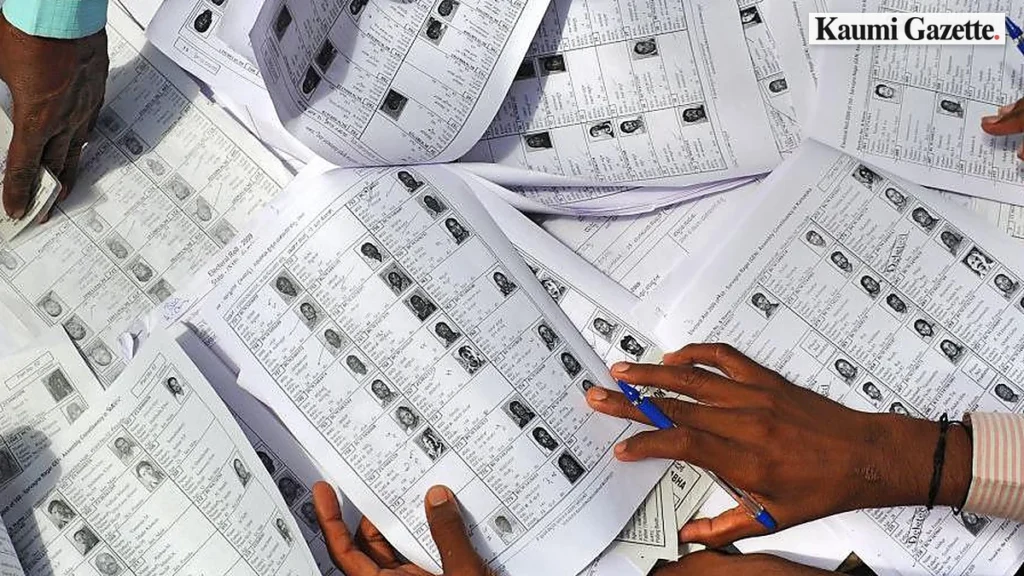
BENGALURU — The Karnataka Chief Electoral Officer admitted on Saturday that multiple Elector Photo Identity Card numbers were inadvertently generated for the same person during the special intensive revision of electoral rolls.
The clarification followed a report published by The Hindu on Wednesday revealing that at least 803 voter IDs were linked to just 397 individuals within the Mahadevapura Assembly constituency.
The voter roll revision exercise has triggered a significant contraction of the electorate in the state. Following the publication of Karnataka’s final voter list on October 27, the names of more than 99.3 lakh voters were deleted. The total number of registered voters dropped from 5.5 crore to 4.5 crore, marking a decrease of approximately 17.9%.
Karnataka is among 19 states and Union Territories undergoing voter roll revision during the third phase of the special intensive revision. The widespread deletions have raised concerns among observers that the exercise could eliminate genuine voters and influence electoral outcomes. Additionally, reports indicate that authorities in some Bharatiya Janata Party-ruled states have cited the revised rolls to deny ration cards and passport renewals to individuals removed from the lists.
Explaining the technical discrepancies, the state poll panel chief stated that some applicants submitted multiple Form 6 applications through the Citizen Service Portal during the revision process, which were subsequently processed independently.
The Karnataka chief electoral officer added that identical voter ID numbers also surfaced across multiple constituencies due to delays in processing migration-related deletions. Specifically, delays involved pending Form 7 applications while corresponding Form 8 applications had already been approved.
In May, the Supreme Court upheld the legality of the revision process, ruling that the exercise does not empower the Election Commission to determine the citizenship status of individuals.
In response to the identified discrepancies, affected cases have been referred to respective district election officers, additional district election officers, and electoral registration officers for verification and necessary remedial action.
Related stories
More from India
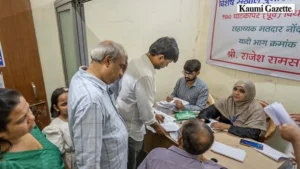 HeadlinesElection Commission simplifies voter reinstatement procedure for specific jurisdictions following judicial scrutiny
 HeadlinesYouth-led political movements reshape global landscape amid systemic grievances and state crackdowns
 ExplainerPolitical Speculation Intensifies Over Potential Reunion Between Shiromani Akali Dal and Bharatiya Janata Party in Punjab
 NationalSSB jawan dies from gunshot wound at India-Nepal border outpost
 HeadlinesCongress launches nationwide campaign demanding removal of Chief Election Commissioner and electoral reforms
 HeadlinesKarnataka voter list shrinks by nearly eighteen percent following revision exercise by Election Commission