
Personalised mRNA cancer vaccine and Keytruda combination reduces melanoma recurrence risk in clinical trial
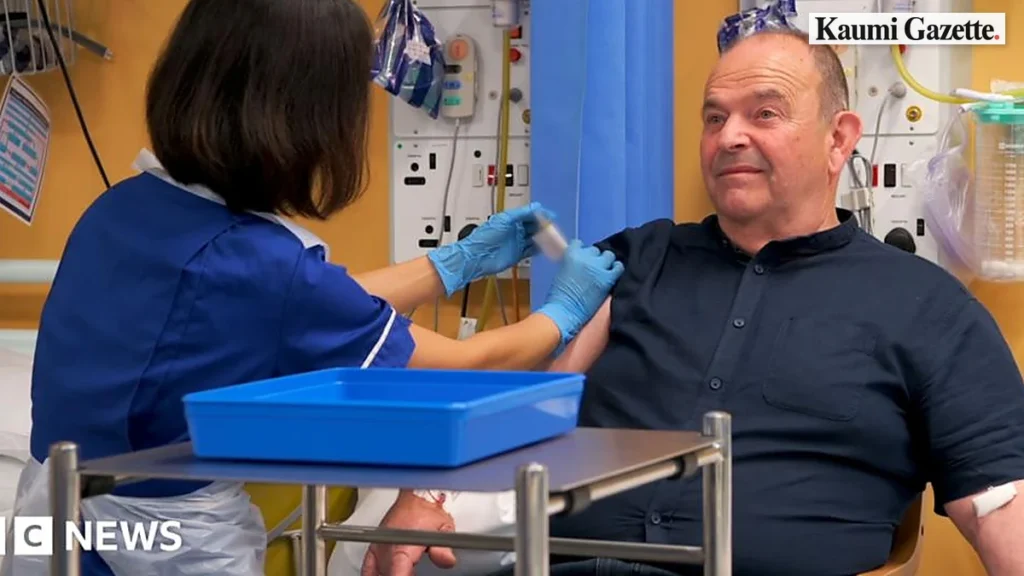
LONDON — A new personalised cancer vaccine combined with the established immunotherapy drug Keytruda has cut the risk of patients dying or their skin cancer returning by 42% in a major clinical trial.
The trial, which involved 1,137 adults, found that the drug combination also reduced the risk of melanoma spreading by 38% over two years compared to immunotherapy alone. The experimental vaccine, named Intismeran, utilises the same mRNA technology deployed in certain Covid-19 vaccines and is individually tailored to each patient using genetic information extracted from their own surgically removed tumour.
The findings mark a significant milestone in oncology by demonstrating the viability of tailored immunisation for patients who have already undergone surgery to remove tumours. However, the full trial results have not yet been published in a peer-reviewed medical journal, and they are scheduled to be presented at a cancer conference in Madrid.
Drug manufacturers MSD and Moderna reported that the personalised approach is already undergoing clinical testing against other malignancies, including kidney, bladder, and lung cancer. Both companies stated they are engaging with regulatory authorities and indicated they could file for approval from medicine regulators as soon as next year. Widespread clinical adoption will ultimately depend on cost and regulatory clearance.
Medical experts have urged cautious optimism regarding the trial data. Professor Alan Melcher described the results as very impressive and an important proof of principle for the field, while noting that longer follow-up will be essential to evaluate overall survival effects. Prof Pippa Corrie stated that personalisation represents the next step forward in treatment.
Among trial participants is 75-year-old Tony Chapman, who was diagnosed with melanoma in 2019, had his tumour removed, and volunteered for the study at Addenbrooke’s Hospital in Cambridge. He remains cancer-free three years later, describing his participation as a way to advance medical science while seeking personal benefit.
Financial markets registered a mixed reaction following the data release. Investors sold off stock after financial analysts noted that the latest trial figures were not quite as strong as those observed in an earlier, much smaller trial.
The trial will continue to monitor patients over time to assess long-term survival rates and whether the cancer returns.
Related stories



More from Headlines
 HeadlinesDelhi Police block opposition MPs march to Election Commission leading to detentions and protests
 HeadlinesINDIA bloc leaders protest in New Delhi over electoral rolls issue
 HeadlinesBJD Joins Opposition Parties in Demanding Chief Election Commissioner’s Resignation
 HeadlinesDelhi Police detain opposition leaders during protest march to Election Commission
 HeadlinesDelhi police deploy heavy security ahead of planned opposition march to Election Commission
 HeadlinesBharatiya Janata Party drops eight incumbent Rajya Sabha members in Uttar Pradesh