
Supreme Court Rules Magistrates Retain Discretion to Reject Police Closure Reports
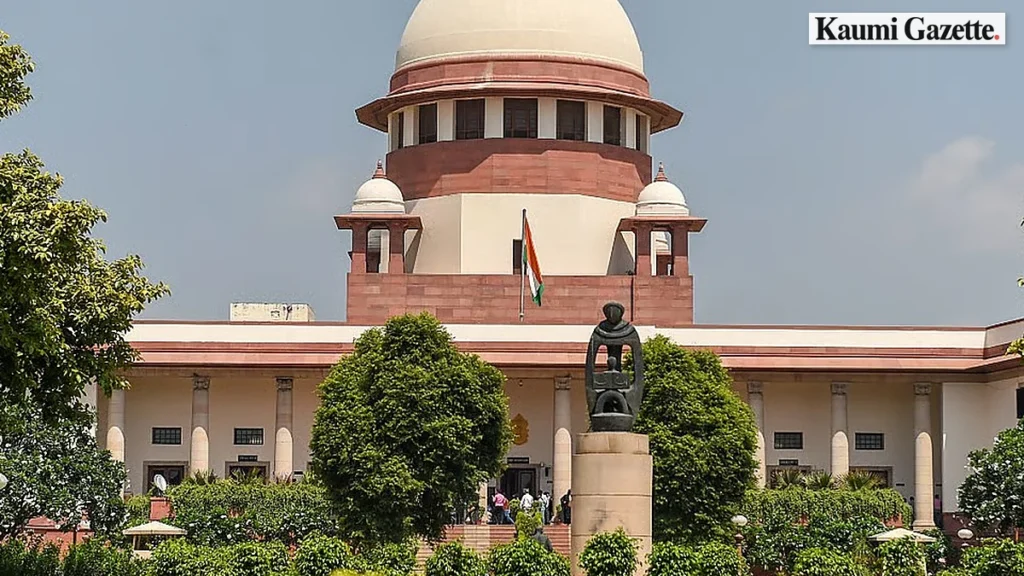
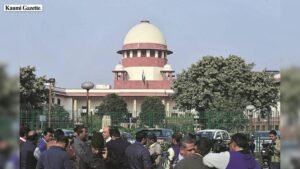
NEW DELHI — The Supreme Court has ruled that judicial magistrates are not bound by police closure reports and retain the legal discretion to take cognisance of offences or order further investigations based on available material.
The ruling was delivered by a bench of Justices J.B. Pardiwala and K. Vinod Chandran, which set aside a Patna High Court order dated May 5, 2026. The High Court had previously quashed the cognisance taken in a 2021 drowning death case.
The apex court held that the High Court had acted in a casual manner by ignoring compelling circumstances in the matter. The bench stated that reliance solely on post-mortem findings of death by drowning was misplaced, noting that attendant circumstances require proper scrutiny during a full trial. Addressing the evidentiary value of statements recorded by police, the bench observed that Section 161 CrPC statements “cannot be relied on at the trial, but definitely could be gone into at the time of cognisance, since that is the material available before the court, as produced by the police along with the final report.”
The Supreme Court’s intervention stems from an appeal filed by Mrityunjay Kumar Chaudhary, whose son drowned after allegedly being taken out for a walk by the accused, Kumar Gitanshu, alias Madhav. According to the prosecution version, the accused took the deceased from his home, following which one Ashok Chaudhary informed the family that the boy was drowning near the State Boring. An initial First Information Report (FIR) was lodged in 2021 under Sections 302 and 201 of the Indian Penal Code.
Following its investigation, the local police filed a final closure report. The magistrate initially accepted this closure report while directing that a protest petition filed by the victim’s father be registered as a formal complaint. Subsequently, the Additional Sessions Judge in Darbhanga directed the magistrate to reconsider the final report. This led the magistrate to take cognisance of the offence, an order that was later successfully challenged in the Patna High Court before reaching the apex court.
In restoring the proceedings, the Supreme Court directed the accused to appear before the magistrate within two weeks for commitment proceedings. The court ordered that if the accused fails to appear, he must be taken into custody and produced before the court, after which he is to be released on conditional bail subject to his cooperation with the judicial process. The trial court has been directed to expedite the matter.
Related stories
 NationalElection Commission orders action against nine officials over voter list anomalies in Azamgarh
 NationalOpposition Leader Rahul Gandhi thanks BJP for rally publicity as alliance plans Chief Election Commissioner impeachment
 NationalOpposition INDIA bloc plans mock assembly and march against Chief Election Commissioner
More from India
 NationalElection Commission orders repoll at three centres in Agra MLC constituency
 NationalHaryana Congress launches mobilisation campaign for Delhi rally demanding electoral inquiry
 NationalBharatiya Kisan Union launches protests and mahapunchayat across districts over agricultural pricing and governance demands
 NationalSupreme Court appointed panel schedules hearings to examine Jantar Mantar protest violence
 NationalDelhi CEO Releases Voter Registration Figures Amid Ongoing Electoral Roll Disputes
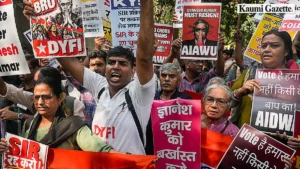 NationalCitizen groups and student organisations march towards Election Commission headquarters to protest alleged voter deletions