
IEA Warns Europe Faces Severe Energy Vulnerabilities Amid Low Gas Reserves and Supply Shocks
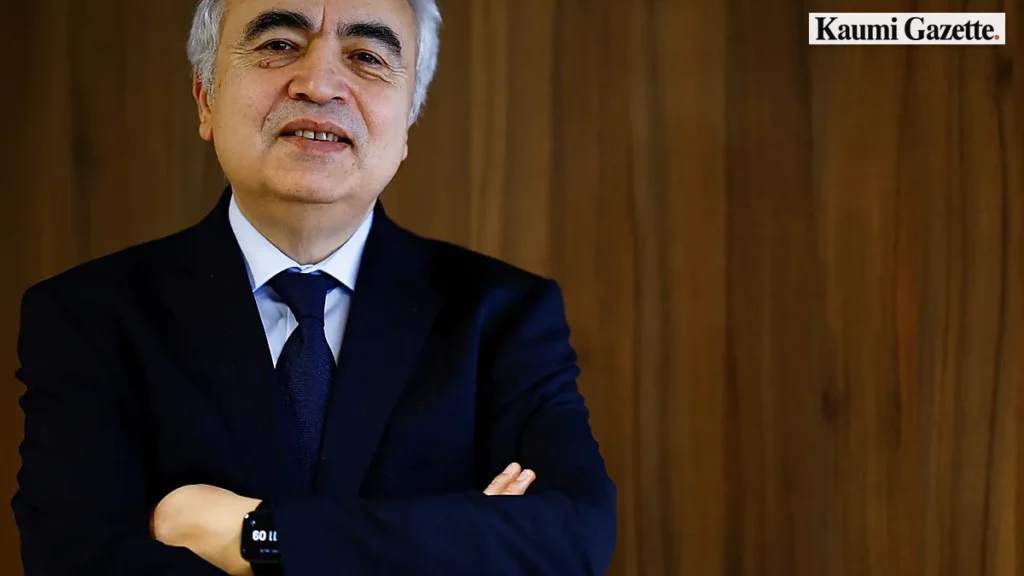
BERLIN — Europe is entering the winter season with historically low natural gas reserves, leaving the continent acutely vulnerable to further supply shocks, International Energy Agency (IEA) head Fatih Birol warned on Wednesday.
According to the IEA, European Union natural gas storage currently stands at 72 percent capacity, marking a steep decline from the usual 90 percent seasonal average. The shortfall is compounded by severe disruptions to global energy supplies driven by the US-Israel war on Iran and persistent security incidents in the Strait of Hormuz. Prior to the conflict, nearly a tenth of Europe’s liquefied natural gas (LNG) transited through the strait, but Iranian attacks on vessels have caused import volumes to plummet.
The geopolitical turbulence has triggered sharp financial pressures across markets. Natural gas prices have surged by 140 percent since February, while Brent crude continues to trade well above $100 per barrel. In addition, Birol noted that ongoing Ukrainian attacks on Russian refineries, alongside halted Russian deliveries, have created a looming diesel scarcity across the bloc.
In response to the tightening crisis, EU energy ministers are considering whether to urge households and businesses to ration consumption. The potential rationing underscores the profound energy vulnerabilities facing European economies as they continue phasing out Russian gas following Moscow’s 2022 invasion of Ukraine.
Birol cautioned that life will remain difficult for Europe through this year and the next, warning that a harsh winter could push natural gas prices even higher.
Related stories
More from World
 WorldTehran bars US military from Gulf as regional hostilities escalate across Middle East
 WorldIsraeli Forces Level Hebron Neighborhood, Displacing Hundreds Following Checkpoint Attack
 WorldUS Intelligence Warns of Advanced Iranian Plots Targeting American Personnel Abroad
 WorldBrazilian Presidential Candidates Clash in Final Debate Prior to Run-off Election
 WorldIsrael Launches West Bank Offensive and Lockdown Following Hebron Attack
 WorldUS Secretary of State Marco Rubio urges Cuban citizens to partner with CIA