
Supreme Court Quashes Criminal Case Against Bank Officials, Rules Loan Disputes Are Not Caste Atrocities
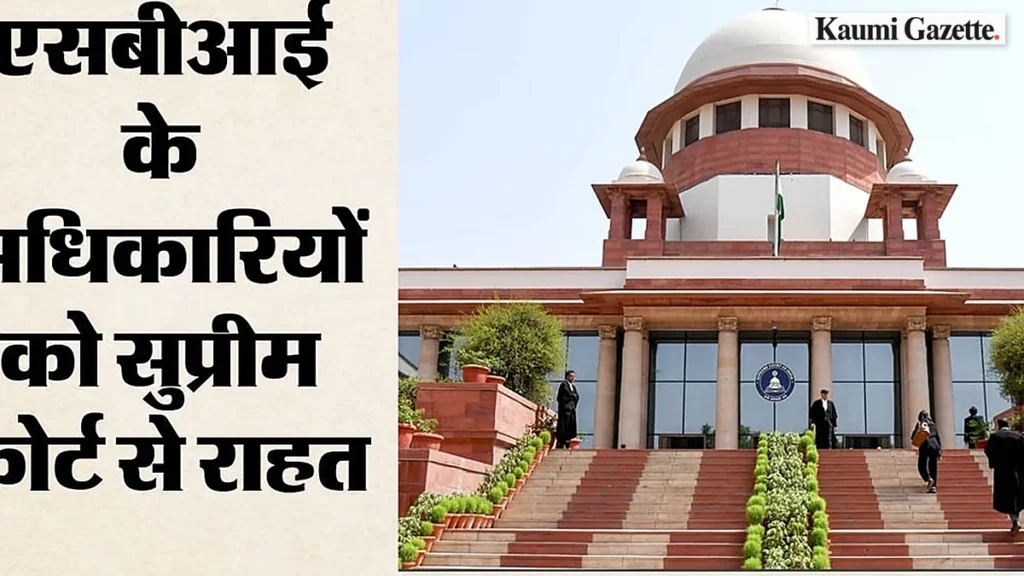
NEW DELHI — The Supreme Court has quashed a criminal case registered against officials of the State Bank of India, ruling that commercial loan recovery disputes cannot be given the color of caste-based discrimination or caste atrocities.
A bench comprising Justice J.B. Pardiwala and Justice K. Vinod Chandran delivered the ruling, setting aside a First Information Report filed in Hyderabad in 2019. The apex court expressed strict views on the misuse of the Scheduled Castes and the Scheduled Tribes (Prevention of Atrocities) Act, stating that prosecuting banking officials under the legislation in such matters amounts to an abuse of the legal process.
The legal proceedings originated from a credit facility extended by the SBI to a corporate entity. The company’s account was classified as a non-performing asset in 2016. Following the loan default, the company’s director, Y. Rajasekhar, lodged an FIR in Hyderabad accusing bank officials of caste-based discrimination, fabricating documents, furnishing false information, and refusing to grant a revival package.
The bank officials had previously approached the Telangana High Court seeking relief, but the high court declined to interfere in the matter. The Supreme Court expressed disagreement with the high court’s decision.
Examining the merits of the complaint, the apex court noted inherent contradictions in the allegations, pointing out that the enterprise was claimed to be managed by SC/ST women, whereas the company’s managing director is not a woman. The bench further observed that simply because a company’s director belongs to a scheduled community, the denial of a rehabilitation package does not constitute grounds for instituting criminal proceedings.
The court clarified that grievances regarding fabricated documents, incorrect information, or the withholding of restructuring packages are commercial disputes that should instead be raised before appropriate forums such as the Debts Recovery Tribunal. The court left all such issues open to be adjudicated before the DRT.
Related stories
 NationalElection Commission orders action against nine officials over voter list anomalies in Azamgarh
 NationalOpposition Leader Rahul Gandhi thanks BJP for rally publicity as alliance plans Chief Election Commissioner impeachment
 NationalSupreme Court Rules Magistrates Retain Discretion to Reject Police Closure Reports
More from India
 NationalOpposition INDIA bloc plans mock assembly and march against Chief Election Commissioner
 NationalElection Commission orders repoll at three centres in Agra MLC constituency
 NationalHaryana Congress launches mobilisation campaign for Delhi rally demanding electoral inquiry
 NationalBharatiya Kisan Union launches protests and mahapunchayat across districts over agricultural pricing and governance demands
 NationalSupreme Court appointed panel schedules hearings to examine Jantar Mantar protest violence
 NationalDelhi CEO Releases Voter Registration Figures Amid Ongoing Electoral Roll Disputes