
Iranian Foreign Minister Abbas Araghchi maintains Strait of Hormuz proposal remains active amid ongoing US friction
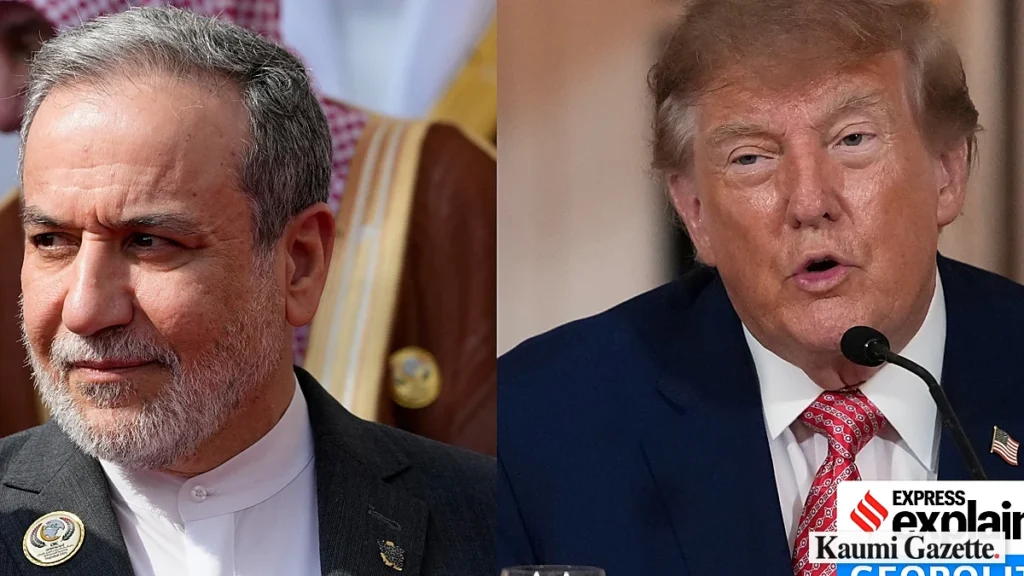
NEW DELHI — Iranian Foreign Minister Abbas Araghchi stated on Sunday (October 18) that Iran’s proposal to the United States to reopen the Strait of Hormuz within seven days remains on the table, though he asserted that there is a lack of honesty from Washington.
The seven-day plan, initially proposed by Araghchi last month at the United Nations General Assembly in New York, aims to resolve the conflict in West Asia that has been ongoing since February. The Strait of Hormuz is a narrow waterway between Iran and Oman that accounted for a fifth of global oil flows before the war began.
According to Araghchi, Tehran’s terms require the lifting of the US naval blockade on Iranian ports, the waiving of US sanctions on Iranian oil exports, the release of at least $12 billion in frozen assets, and the cessation of all hostilities, including in Lebanon. If Washington accepts these conditions, the strait could reopen within six days, with formal talks resuming on the seventh day. Speaking at a meeting of the Organisation of Islamic Cooperation in Baghdad, Araghchi noted that the US had shared comments which Iranian authorities are currently reviewing.
Negotiations between the two nations have encountered substantial friction over preconditions and priorities. Tehran insists that discussions should initially focus on reopening the waterway and restoring security. Conversely, Washington maintains that talks must address Iran’s nuclear programme. US Vice President J D Vance stated earlier this month that Iran must execute a meaningful reduction in its uranium enrichment capacity to satisfy American demands and conclude the conflict.
Iran’s security chief stated last week that negotiations stalled because Washington failed to address all seven conditions required to reopen the strait. Meanwhile, US President Donald Trump asserted during his UNGA address that the Iranian government is deliberately stalling on a deal until after the US midterm elections on November 3, in the hope that the Republican Party will lose power. While Araghchi indicated it would be preferable to reach an agreement ahead of the November polls, he maintained that Tehran is not acting in haste.
Related stories



More from World
 WorldGaza holds mass funeral for seventy-five victims recovered from ruins
 WorldJordan-Israel border emerges as new frontier for high-tech narcotics trafficking
 WorldLawyers for Representative Ilhan Omar demand return of property seized in federal raid
 WorldFrench authorities open inquiry after police deploy UK-funded border vehicles against student protesters
 WorldFrance faces widespread protests as student unrest expands into national challenge
 WorldUnited States and Iran issue competing claims over control of the Strait of Hormuz amid rising maritime attacks