
Jordan-Israel border emerges as new frontier for high-tech narcotics trafficking
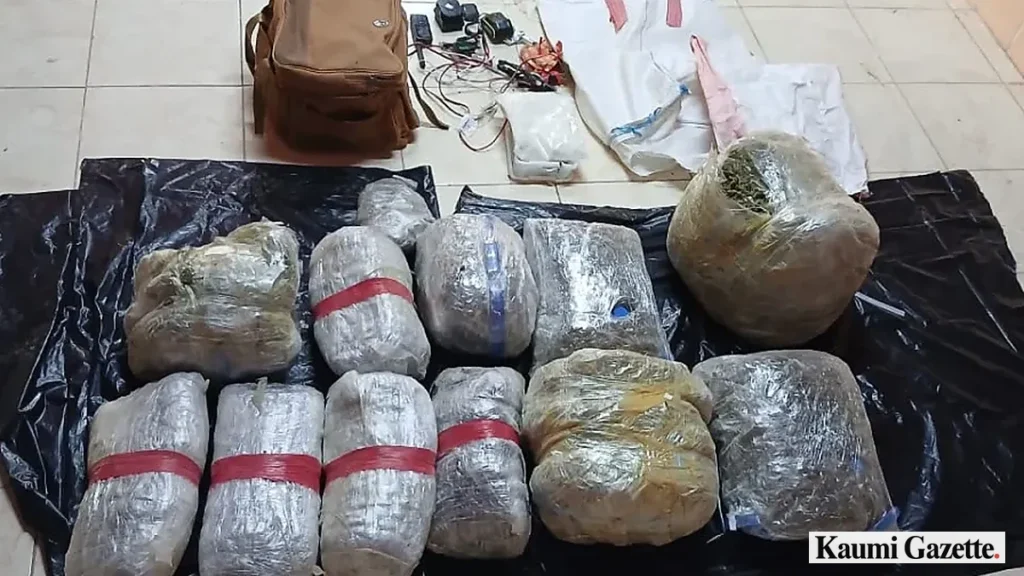
AMMAN — The Jordan-Israel border has emerged as a new frontier for high-tech narcotics trafficking, with organized networks utilizing commercial drones and helium-filled balloons to smuggle substances including hashish, crystal meth, and amphetamines into Jordanian territory.
The shift in illicit trade comes as regional smuggling routes evolve following the fall of Syrian President Bashar al-Assad’s government in late 2024, which previously precipitated a decline in narcotics flows originating from Syria. While northern avenues have altered, Jordanian security forces have expressed mounting frustration over the scale of cross-border smuggling from the west and accused the Israeli military of failing to treat the threat with adequate seriousness.
Initial data compiled by Jordanian forces documented 17 drone-linked interception operations during the first half of 2026 alone along the southwestern border with Israel. Authorities also recorded 231 broader smuggling and infiltration attempts, alongside 56 downed drones across various national borders.
According to Ammar al-Qudah, organized gangs operating in the Negev Desert have acquired more than 1,000 drones initially intended for agricultural and security applications. These groups deploy GPS-equipped, helium-filled balloons and unmanned aircraft capable of carrying up to 50 kilograms of narcotics.
The trafficking networks rely on established transit corridors originating in the Sinai Peninsula, passing through the Negev and Wadi Araba, while secondary routes link the Lebanese border and the Galilee region toward Syria. High profit margins drive the illicit trade; according to Israeli security services and reporting by The Telegraph, the street price of hashish in Jordan is roughly 15 times higher than in Israel, where 1 kilogram can fetch approximately 7,500 pounds sterling, or nearly $10,000.
Addressing domestic enforcement figures, Interior Minister Mazen al-Faraya stated that total seized drug cases reached 15,342 during the current year. Trafficking offenses account for approximately 28 percent of those cases, while drug usage constitutes the remaining 72 percent.
In response to the shifting security landscape, Israel established the 96th Division to operate in the Jordan Valley in 2025 and constructed a physical security barrier along the frontier. Historically, Syria served as a major regional hub for the distribution of Captagon to the Gulf, prompting the Royal Jordanian Air Force to execute periodic airstrikes targeting production and smuggling infrastructure inside Syrian territory.
Jordanian security forces are continuing ongoing operations aimed at intercepting narcotics shipments and preventing further infiltration into the kingdom.
Related stories



More from World
 WorldFrench authorities open inquiry after police deploy UK-funded border vehicles against student protesters
 WorldFrance faces widespread protests as student unrest expands into national challenge
 WorldUnited States and Iran issue competing claims over control of the Strait of Hormuz amid rising maritime attacks
 WorldG20 finance ministers gather in Bangkok to address economic fallout from Middle East conflict and rising global debt
 WorldIsraeli forces raid Palestinian NGO offices and medical complex in Ramallah
 WorldResearch shows rise in mental health struggles and psychiatric visits in Israel following October 7 attacks