
US Voters Decide Congressional Balance of Power in Closely Contested Midterm Elections
WASHINGTON —
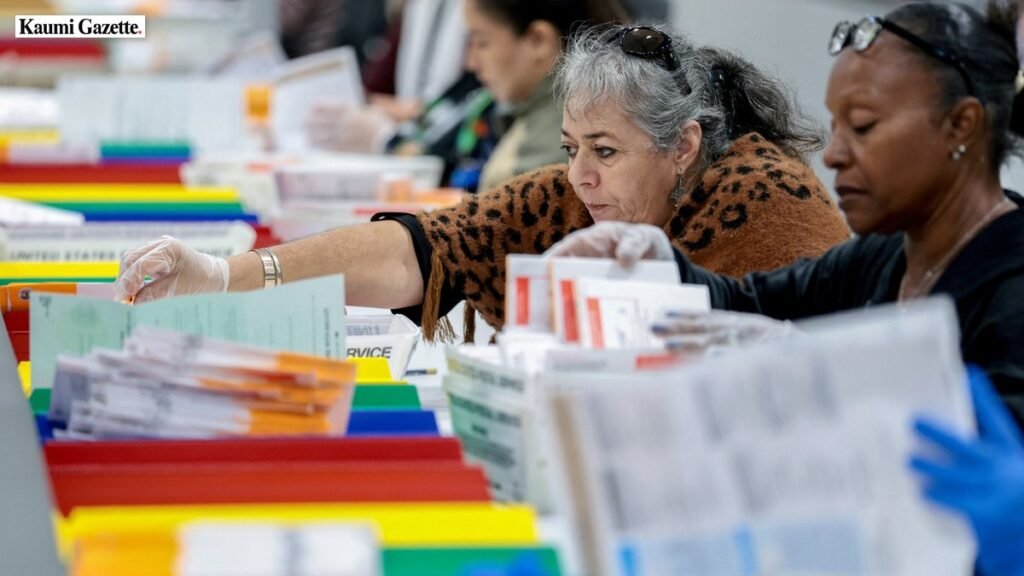
The United States faces one of its most closely contested midterm elections in recent years, with voters deciding the balance of power in Washington as the first polls begin to close.
All 435 seats in the US House of Representatives and 35 of the 100 Senate seats are being contested. Democrats are seeking to take control of both chambers from the Republican Party of President Donald Trump. While initial polling station closures will trigger the release of early figures, determining final outcomes across tightly fought districts could take several days or even weeks.
The first results are expected on Tuesday as voting concludes in parts of Indiana and Kentucky at 6 pm Eastern Standard Time (23:00 GMT). Additional polling stations will close progressively across the country through the evening, with Hawaii and most of Alaska shutting their doors at midnight EST (05:00 GMT on Wednesday), followed by the remaining parts of Alaska at 1 am EST (06:00 GMT).
Election officials release vote counts as ballots are processed. News organisations, including The Associated Press, analyse these tallies to determine when a race can be called. However, early reported figures do not necessarily mean an immediate winner can be declared, particularly in closely contested races where final outcomes may remain unclear for days.
Several states are expected to report results quickly based on patterns from previous elections. Florida typically counts votes rapidly, with approximately 99 percent counted by 10:51 pm EST during the 2024 general election. Ohio also tends to release most early and absentee voting results swiftly, having reported 90 percent of results by 11:03 pm EST in 2024. North Carolina, Pennsylvania and Wisconsin similarly managed high percentages of vote reporting by late evening or early morning hours during the previous general election cycle.
Conversely, several states are likely to experience delays in final vote tallies due to specific voting methods and legal requirements. Alaska and Maine both employ ranked-choice voting. If no candidate receives more than 50 percent of the vote in those states, additional rounds of counting are required. In Alaska, the next round for a Senate race requiring ranked-choice tabulation is scheduled for November 18, and mail-in ballots arrive over subsequent days. In Maine, ballots must be transported to the state capital of Augusta for further tabulation if majorities are not met.
Western states that conduct elections primarily by mail, such as California, Washington and Nevada, will also face extended timelines. California processes large batches of mail-in ballots days after polls close, delaying the resolution of close House races. In Nevada, mail-in ballots postmarked by Election Day can arrive up to four days later, and voters are granted six days post-election to resolve signature verification issues. Arizona similarly requires signature checks on mail-in ballots dropped off on Election Day, which can delay results by several days.
There is no specific national deadline for final results. In non-competitive races, news organisations often declare winners before every ballot is officially tallied, while formal certification occurs later. In 2024, it took eight days to determine which party would secure control of the House of Representatives.
Close races may also trigger automatic or candidate-requested recounts under state laws, while candidates retain the option of challenging outcomes in court. President Trump has raised questions regarding whether he would accept the midterm results, stating when asked about respecting the final outcome that he would do so “if there are honest elections.”
Legal experts note that the US president cannot unilaterally overturn congressional election results. Elections are administered and certified by individual states, and any legal challenges must follow established judicial processes. Democratic strategist Mali Smith noted that courts accept that states run elections. Under the US Constitution, the House and Senate hold final authority to judge disputes concerning the election of their own members, meaning recounts and legal challenges could prolong final resolutions for days, weeks or longer.
Related stories
 ExplainerKerala Agency Ordered to Probe Bribery Allegations Against Chief Election Commissioner
 HeadlinesUttar Pradesh Chief Minister Yogi Adityanath rolls out festival LPG subsidy for Ujjwala beneficiaries
 HeadlinesDelhi Police suspends Assistant Commissioner Manasvi Vashisth following headquarters protest
More from World
 HeadlinesAmericans Head to Polls for Midterm Elections Testing Balance of Power
 HeadlinesDemocrats secure control of Congress in midterm elections
 HeadlinesDemocrats Sweep New York Midterms as Hochul Secures Second Term
 HeadlinesCHANDIGARH: Decades-old inter-state river water disputes resurfaced in Punjab state politics as the Punjab Assembly passed five
 WorldHome Secretary Shabana Mahmood prepares final decision on UK immigration rule changes
 WorldSudan conflict deepens food shortages as international aid agencies warn of mounting famine risks