
LUCKNOW
LUCKNOW —
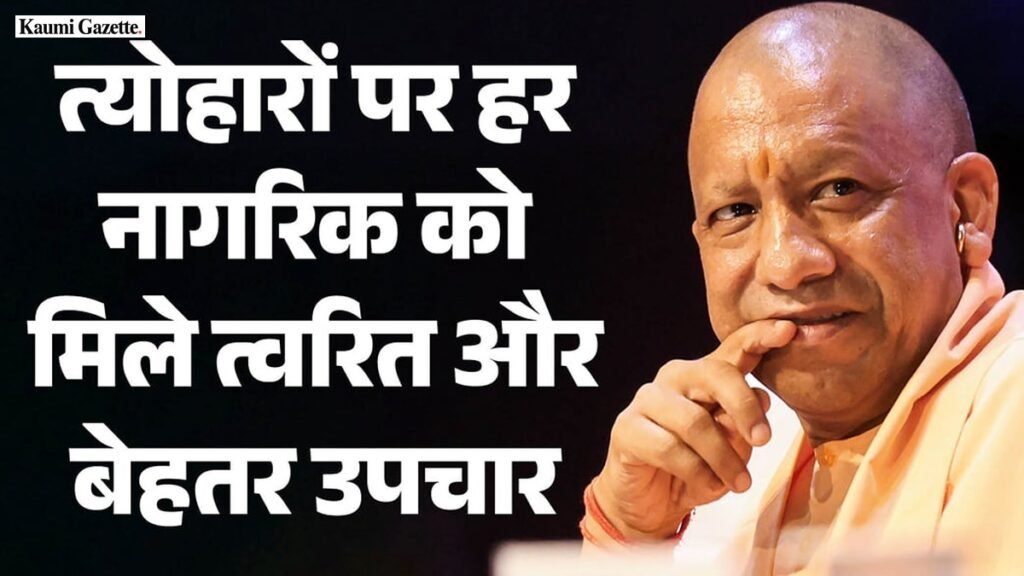
The Uttar Pradesh government has placed all state-run and autonomous medical colleges and their associated hospitals on high alert ahead of Diwali and Chhath Puja to ensure uninterrupted healthcare services during the festive period.
The Medical Education and Training Directorate issued comprehensive directives aiming to tackle potential contingencies, including road accidents, burn injuries, fire incidents and other medical emergencies. Under the orders, emergency wards, trauma centres, intensive care units (ICUs), burn units, anaesthesia, surgery and operation theatres across all medical institutions will remain functional 24 hours a day.
Director General of Medical Education and Training Neha Sharma instructed principals, directors and chief medical superintendents to personally review hospital preparedness. Institutions have been directed to designate a senior official as a nodal officer to monitor duty rosters, resource availability and emergency operations. Authorities warned that any laxity or negligence in complying with the directives will invite strict accountability for the concerned personnel.
To manage potential surges in patient numbers, hospitals are required to prepare duty rosters for doctors, nursing staff, technicians and other personnel across emergency, trauma, ICU, burn units, surgery, orthopaedics, medicine and radiology departments. Institutions must ensure the physical presence of deployed staff while keeping additional human resources on standby.
Hospitals must maintain adequate stocks of life-saving medicines, injections, dressings, sutures, plaster materials and emergency treatment kits. Facilities are also instructed to verify the operational readiness of oxygen cylinders, supply pipelines, ventilators, monitors, defibrillators and suction machines, alongside coordinating with blood banks to secure sufficient reserves of blood and blood components.
The directives emphasise effective referral systems with advance coordination to prevent unnecessary delays when transferring critical patients to higher medical centres, ensuring proper medical support and ambulances are provided during transit.
In view of fire hazards and potential accidents, medical colleges must inspect fire safety equipment, smoke alarms and electrical panels in sensitive zones such as emergency wards, ICUs, operation theatres, oxygen plants, laboratories and hostels. Exit routes and staircases must remain clear of obstructions.
Institutions have also been instructed to review and update their disaster management plans to handle mass-casualty events, road accidents, burn cases and stampedes. Triage protocols will be implemented to assess patient severity and prioritise immediate care for critical cases. Additionally, hospitals must ensure strict sanitation, infection control, uninterrupted power and water supply, and regular checks of oxygen plants, while maintaining heightened vigilance in burn units and ICUs.
Related stories

More from UP Politics
 Uttar PradeshUttar Pradesh Government Doubles Disaster Compensation to Eight Lakh Rupees
 HeadlinesElection Commission initiates voter enrolment drive across Uttar Pradesh
 HeadlinesUttar Pradesh Chief Minister Yogi Adityanath rolls out festival LPG subsidy for Ujjwala beneficiaries
 Uttar PradeshUttar Pradesh Chief Electoral Officer directs officials to re-examine rejected voter applications
 Uttar PradeshInvestigations into medical syndicate expand to SGPGI following Special Task Force report
 Uttar PradeshAIIMS Gorakhpur Executive Director Dr. Vibha Dutta hospitalized briefly, highlighting missing cath lab infrastructure