
Supreme Court questions status of self-proclaimed journalists during law enforcement operations
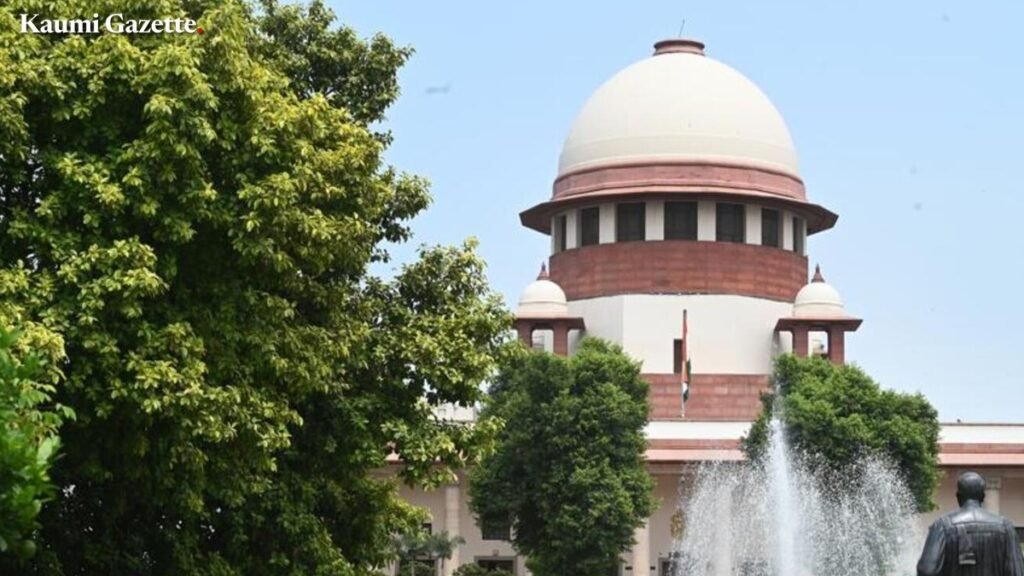
NEW DELHI: The Supreme Court on Thursday observed that the status of a journalist cannot be self-conferred, questioning whether individuals who describe themselves as reporters on digital platforms should enjoy the same protections as accredited media professionals during law enforcement operations.
A bench headed by Chief Justice of India Surya Kant made the remarks while hearing a batch of petitions filed by journalist unions and media organizations alleging police excesses against media personnel during anti-CEC protests in Delhi in October. The bench, which also includes justices Joymalya Bagchi and V Mohana, stated that the protections available to individuals would depend on their professional credentials and the circumstances in which protection was sought.
“Examining the standard operating procedure read with the stance taken by law enforcement agencies, it will depend on the character of the person seeking protection,” the court said.
The hearing followed an affidavit filed by the Delhi Police in response to petitions from the Free Speech Collective, the Delhi Union of Journalists, and the Kerala Union of Working Journalists (KUWJ). The police affidavit argued that the evolving digital media landscape had blurred lines, raising questions over whether reel makers and content creators could be accorded the status of journalists. The police also cited social media videos in which certain individuals identifying as media personnel allegedly participated in protests and raised slogans alongside demonstrators, arguing that some protesters used cameras and microphones to falsely claim press credentials.
During the proceedings, the bench noted that journalists working with print publications and television channels have established mechanisms for accreditation through bodies like the Press Council of India, and online journalists can also be registered.
“But we are in the realm of atomised individuals doing journalism. A journalist’s status cannot be self-conferred. Such self-proclaimed journalists may not have the same protection as accredited journalists,” the bench observed.
Solicitor general Tushar Mehta, appearing for the Centre, informed the court that law enforcement agencies had filed their response and clarified their position on the matter.
The petitions before the court highlighted separate instances where media personnel from established news organizations were allegedly detained or prevented from discharging their professional duties during the capital’s protests. Representing KUWJ, senior advocate PV Dinesh argued that the police response did not address alleged excesses against seven media personnel from established organizations.
In response, the bench directed the union to approach the high-powered enquiry committee headed by retired Supreme Court judge justice R Subhash Reddy. The court stated that the committee could examine whether those media personnel were subjected to force and whether such force was proportionate to maintaining public order. The bench permitted KUWJ to approach the committee without expressing any opinion on the merits of the allegations.
The Supreme Court stated it would examine broader constitutional questions, including the balance between journalists’ right to free movement and the police’s responsibility to maintain law and order. The court added that it would consider larger principles governing the extent of privileges journalists may claim while exercising democratic rights in areas where law enforcement agencies operate to maintain public order.
Related stories

More from India
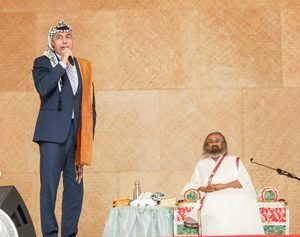 NationalPalestinian Envoy Abdullah Abu Shawesh Meets Sri Sri Ravi Shankar at Art of Living Centre
 NationalNorthern Railway Organizes Capacity Building Programe for Traction Power Controllers (TPCs)
 HeadlinesCongress plans nationwide protests on Constitution Day over alleged electoral roll irregularities
 HeadlinesGrameen Bank branches face coordinated attacks amid political tensions in Bangladesh
 HeadlinesSupreme Court directs priority hearings for millions of appeals regarding deleted voter names in West Bengal
 HeadlinesNepali Prime Minister Balen Shah Prioritizes India for First Foreign Visit Amid Economic and Diplomatic Realities