
UP Reports 19% Rise in Fertiliser Availability Ahead of Rabi Season, Seed Distribution Remains Below Target
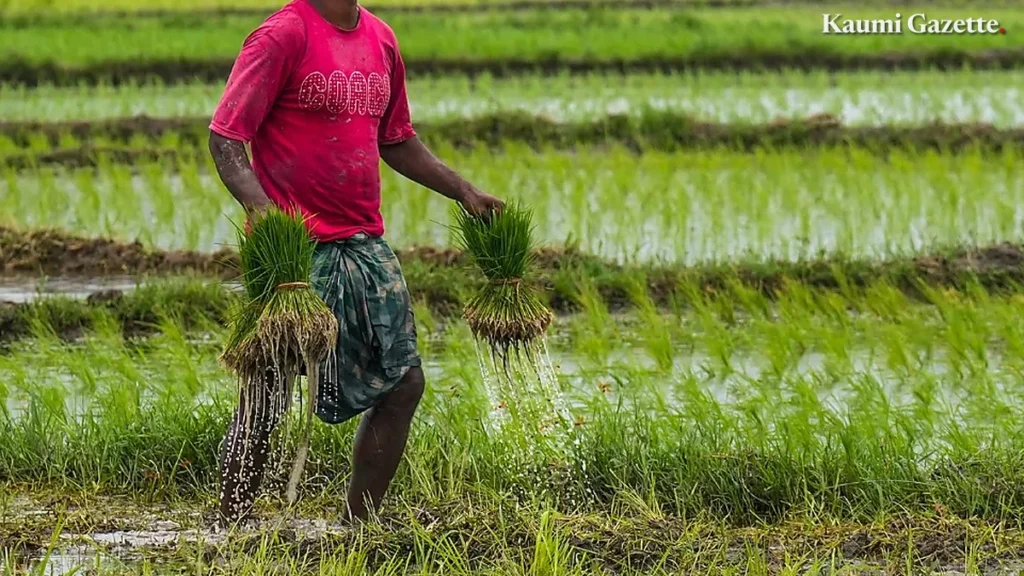
LUCKNOW, November 19: Uttar Pradesh has reported a 19.1% increase in fertiliser availability compared with the corresponding period last year, as the state prepares for the 2026–27 Rabi cropping season. However, government figures indicate that certified seed distribution has reached only about 58% of the overall target.
The figures were presented during a departmental review meeting chaired by Agriculture Minister Surya Pratap Shahi at Krishi Bhawan in Lucknow on Wednesday.
According to the Agriculture Department, the state had received 50.51 lakh metric tonnes of fertilisers by November 18, compared with 42.40 lakh metric tonnes during the corresponding period last year.
The increase of 8.11 lakh metric tonnes comes as farmers prepare to cultivate wheat, pulses, mustard and other winter crops.
How Much Fertiliser Is Available?
The government reported that fertiliser stocks remained available across all 75 districts following distribution.
The department provided the following figures for remaining stocks:
- Urea: 20.03 lakh metric tonnes
- DAP: 4.02 lakh metric tonnes
- NPK fertilisers: 5.49 lakh metric tonnes
Officials maintained that the state’s fertiliser availability exceeded the target set for November.
However, statewide availability figures do not necessarily establish that every farmer can obtain the required fertiliser at the local level.
The press release did not provide a district-wise breakdown of demand, distribution or remaining stocks, making it difficult to assess whether availability is evenly distributed across agricultural regions.
Certified Seed Distribution Reaches 58% of Target
The state government has set a target of distributing 12 lakh quintals of certified seeds through government institutions during the Rabi season.
According to the department, 9,75,912 quintals had been made available, while 6,96,895 quintals had been distributed to farmers.
This means approximately 81.3% of the overall seed target had been made available, but only 58.1% had reached farmers through distribution.
The government reported a distribution rate of approximately 71% of available seeds. That figure is accurate when measured against seeds already supplied to government institutions rather than the full seasonal target.
The distinction matters because availability within the supply system does not necessarily translate into delivery to individual farmers.
Rabi Cultivation Target Increased
The Agriculture Department has increased its Rabi sowing target from 139.17 lakh hectares in the previous season to 140.47 lakh hectares for 2026–27.
The increase represents approximately 1.3 lakh additional hectares.
The government plans to expand cultivation of mustard, chickpeas, peas and lentils as part of its efforts to encourage pulses and oilseed production.
Officials have also set a target of increasing the state’s average seed replacement rate from 49% to 51%.
Seed replacement rate refers to the proportion of cultivated area using newly acquired quality seeds instead of seeds saved from previous harvests.
What Does This Mean for Farmers?
For farmers preparing their fields, the immediate concern is whether certified seeds and fertilisers are available at the required time and through accessible distribution channels.
The state’s reported increase in fertiliser availability is a positive supply indicator, but timely local distribution remains essential.
The government has instructed officials to ensure that certified seeds and fertilisers reach farmers without delays.
Farmers have also been encouraged to complete their Farmer Registry registration and avoid unnecessary advance stocking of fertilisers.
The Agriculture Department has not provided district-level figures showing how many farmers have received seeds or whether any areas continue to face shortages.
With the Rabi season underway, the gap between statewide supply figures and actual access at the village level will be an important measure of the government’s preparedness.
Source: Uttar Pradesh Information and Public Relations Department, Agriculture Department review, November 18, 2026.
UP Reports 19% Rise in Fertiliser Availability Ahead of Rabi Season, Seed Distribution Remains Below Target
LUCKNOW, November 19: Uttar Pradesh has reported a 19.1% increase in fertiliser availability compared with the corresponding period last year, as the state prepares for the 2026–27 Rabi cropping season. However, government figures indicate that certified seed distribution has reached only about 58% of the overall target.
The figures were presented during a departmental review meeting chaired by Agriculture Minister Surya Pratap Shahi at Krishi Bhawan in Lucknow on Wednesday.
According to the Agriculture Department, the state had received 50.51 lakh metric tonnes of fertilisers by November 18, compared with 42.40 lakh metric tonnes during the corresponding period last year.
The increase of 8.11 lakh metric tonnes comes as farmers prepare to cultivate wheat, pulses, mustard and other winter crops.
How Much Fertiliser Is Available?
The government reported that fertiliser stocks remained available across all 75 districts following distribution.
The department provided the following figures for remaining stocks:
- Urea: 20.03 lakh metric tonnes
- DAP: 4.02 lakh metric tonnes
- NPK fertilisers: 5.49 lakh metric tonnes
Officials maintained that the state’s fertiliser availability exceeded the target set for November.
However, statewide availability figures do not necessarily establish that every farmer can obtain the required fertiliser at the local level.
The press release did not provide a district-wise breakdown of demand, distribution or remaining stocks, making it difficult to assess whether availability is evenly distributed across agricultural regions.
Certified Seed Distribution Reaches 58% of Target
The state government has set a target of distributing 12 lakh quintals of certified seeds through government institutions during the Rabi season.
According to the department, 9,75,912 quintals had been made available, while 6,96,895 quintals had been distributed to farmers.
This means approximately 81.3% of the overall seed target had been made available, but only 58.1% had reached farmers through distribution.
The government reported a distribution rate of approximately 71% of available seeds. That figure is accurate when measured against seeds already supplied to government institutions rather than the full seasonal target.
The distinction matters because availability within the supply system does not necessarily translate into delivery to individual farmers.
Rabi Cultivation Target Increased
The Agriculture Department has increased its Rabi sowing target from 139.17 lakh hectares in the previous season to 140.47 lakh hectares for 2026–27.
The increase represents approximately 1.3 lakh additional hectares.
The government plans to expand cultivation of mustard, chickpeas, peas and lentils as part of its efforts to encourage pulses and oilseed production.
Officials have also set a target of increasing the state’s average seed replacement rate from 49% to 51%.
Seed replacement rate refers to the proportion of cultivated area using newly acquired quality seeds instead of seeds saved from previous harvests.
What Does This Mean for Farmers?
For farmers preparing their fields, the immediate concern is whether certified seeds and fertilisers are available at the required time and through accessible distribution channels.
The state’s reported increase in fertiliser availability is a positive supply indicator, but timely local distribution remains essential.
The government has instructed officials to ensure that certified seeds and fertilisers reach farmers without delays.
Farmers have also been encouraged to complete their Farmer Registry registration and avoid unnecessary advance stocking of fertilisers.
The Agriculture Department has not provided district-level figures showing how many farmers have received seeds or whether any areas continue to face shortages.
With the Rabi season underway, the gap between statewide supply figures and actual access at the village level will be an important measure of the government’s preparedness.
Source: Uttar Pradesh Information and Public Relations Department, Agriculture Department review, November 18, 2026.
Related stories
 HeadlinesElection Commission reviews 2027 Uttar Pradesh assembly election preparations across twenty-one districts
 HeadlinesAkhilesh Yadav alleges official falsehoods in Gorakhpur child death case, criticizes Yogi Adityanath administration
 NationalUP, Uttarakhand Plan Joint Promotion of Neem Karoli Baba and Mahabharata Tourism Circuits
More from UP Politics
 Uttar PradeshUP Cabinet Approves Tourism and Bioenergy Policy Changes, Women’s Compensation Rules and Regional Aviation Measures
 Uttar PradeshUP Cabinet Clears ₹281 Crore Deep-Tech Hub at IIT Kanpur’s Noida Campus
 HeadlinesUP Cabinet Approves ₹1,000 Monthly Incentive Hike for ASHA Workers, Additional Maternal Health Payments
 HeadlinesUttar Pradesh Cabinet Approves Ordinance Extending Panchayat Administrator Tenure
 HeadlinesUttar Pradesh Cabinet Defers Panchayat Elections Until After Assembly Polls
 HeadlinesUttar Pradesh Voter List Revision Sparks Political Dispute Between Chief Minister and Samajwadi Party