
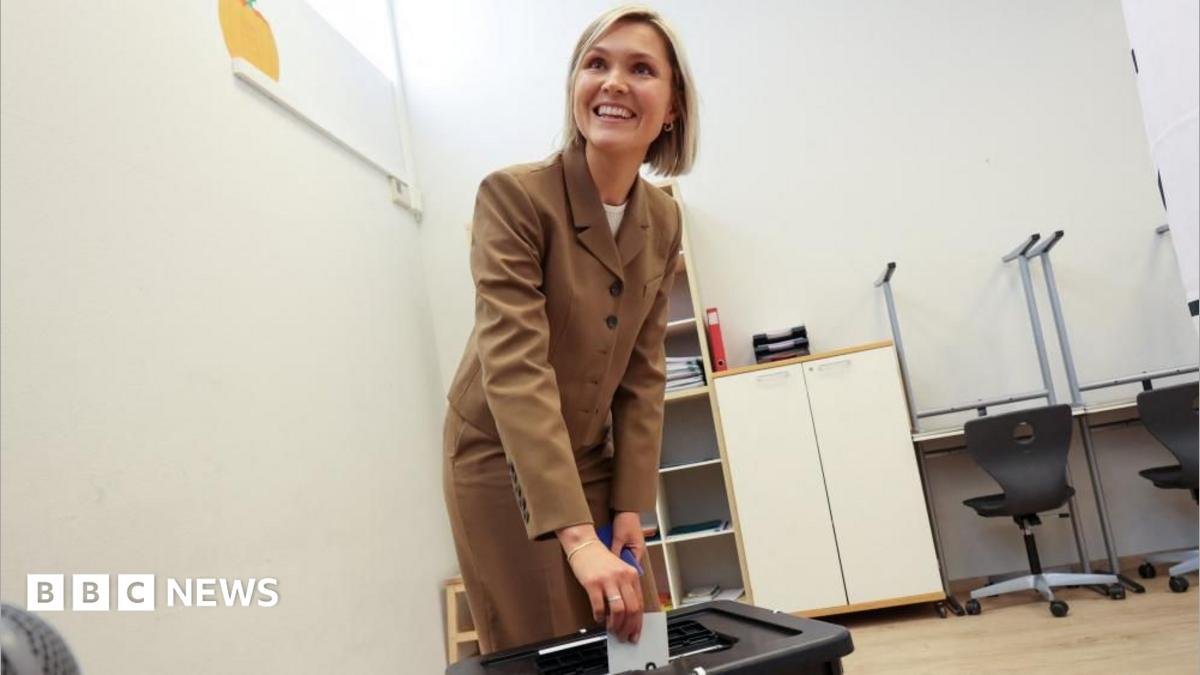
Iceland’s closely fought referendum on whether to resume membership talks with the European Union is going down to wire, with the result too close to call.Based on the first 153,197 votes counted of the 270,000 voters eligible, 50.1% rejected the government’s proposal, while 49.9% said yes, public broadcaster RUV said, with just 435 votes splitting them. Prime Minister Kristrún Frostadóttir’s centre-left government promised to hold a referendum by 2027, but brought it forward because of international tensions, including US President Donald Trump’s threats against Greenland.However, debate in this island nation of almost 400,000 people centred more on its fishing industry rather than security concerns.Already part of the EU’s single market and Schengen border-free zone, EU membership would bring Iceland into the customs union and eventually the euro.Iceland began its application to join the EU in 2009 in the wake of the 2008 financial crisis and the collapse of Iceland’s banking system. Its application was already well advanced when a eurosceptic government came to power in 2013 and put talks on hold. Fishing rights was the biggest obstacle then – as it remains today.Fish and marine industries account for almost 40% of Iceland’s exports and many No voters feared they would cede some control of their lucrative fishing grounds under the EU’s common fisheries policy.The referendum campaign has fuelled debate about Iceland’s place in the world, Frostadottir said after casting her ballot in the capital on Saturday.”This is a great day, we’ve been waiting for this for years to be able to have a vote,” Frostadottir said, adding that her government would continue its work regardless of the outcome.The question on the ballot was: “Should Iceland resume accession negotiations with the European Union?”A Yes vote would not be a final decision on joining the EU, but a move towards an accession agreement, which would then have to be approved by a second referendum. Equally, the No vote would not rule out the chance of Iceland resuming talks in the future.While economic issues dominated the referendum campaigns, security concerns also featured. Iceland is a founder member of Nato but it has no military and relies on its allies for defence.The country has backed Ukraine during Russia’s full-scale invasion and officials have been alarmed by Russia’s increased maritime manoeuvres near the island.Trump’s expressed interest in taking over Greenland has also raised concerns.
Related stories
More from Headlines
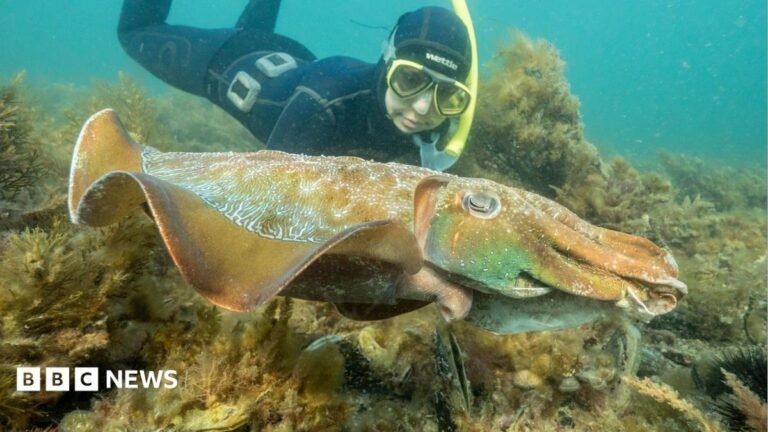 HeadlinesWhy Australia’s giant cuttlefish mating season has gone silent30 August 2026
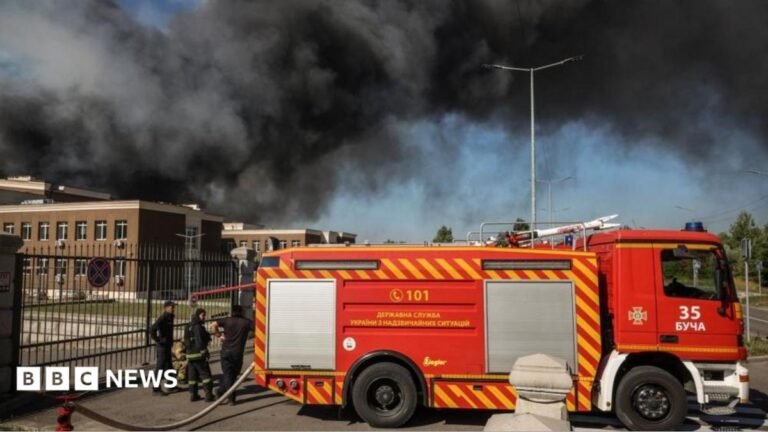 HeadlinesDeadly strike on Kyiv warehouse prompts evacuations29 August 2026
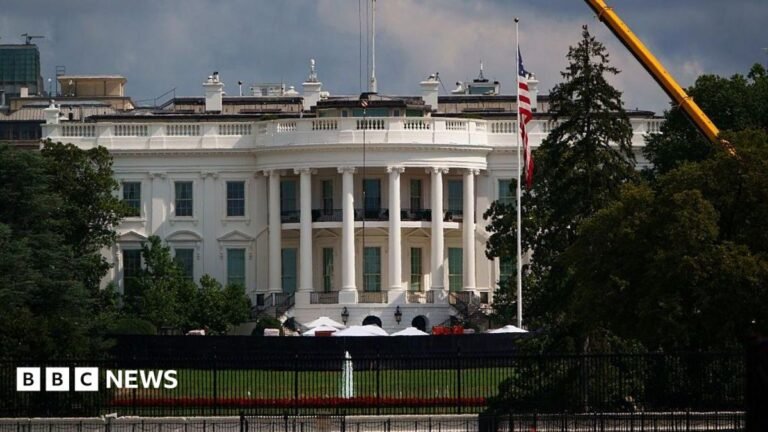 HeadlinesEx-White House teleprompter operator ordered to pay $172,000 for Trump speech bets29 August 2026
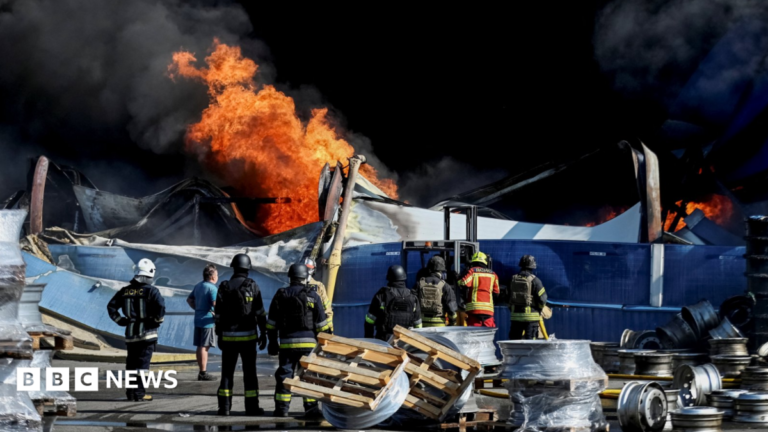 HeadlinesAt least 27 dead and hundreds evacuated after strikes near Kyiv29 August 2026
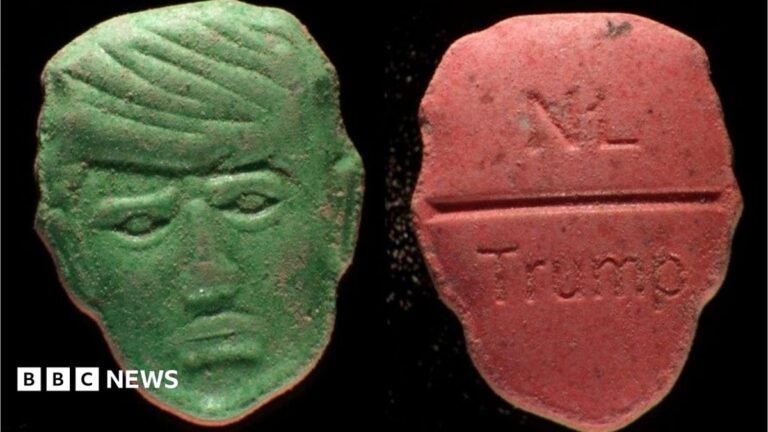 HeadlinesDutch institute issues warning over Trump-shaped ecstasy pills29 August 2026
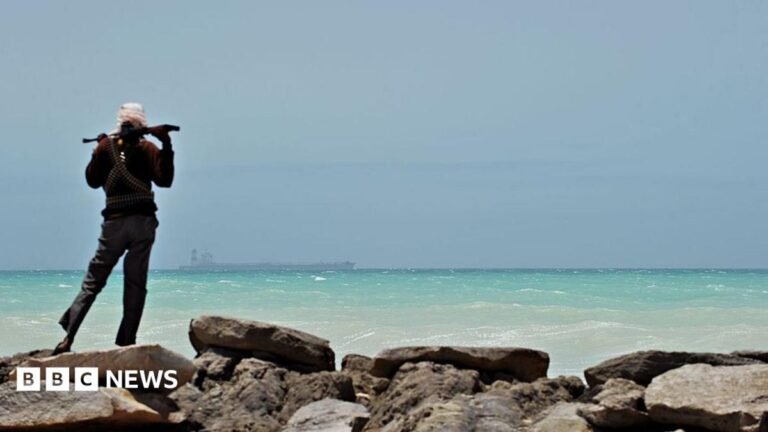 HeadlinesSomali piracy surges as the impact of the US-Iran war ripples outwards29 August 2026
Read More
 Canada installs large Lake Ontario sign in latest jab at US
- Norway’s Haakon remembers ‘my dear father’ in first speech as king
- Lenín Moreno: Former Ecuadorian president imprisoned for corruption
- Why Australia’s giant cuttlefish mating season has gone silent
- Deadly strike on Kyiv warehouse prompts evacuations
- Ex-White House teleprompter operator ordered to pay $172,000 for Trump speech bets
- At least 27 dead and hundreds evacuated after strikes near Kyiv


