
Reserve Bank of India data shows currency in circulation doubles a decade after demonetisation
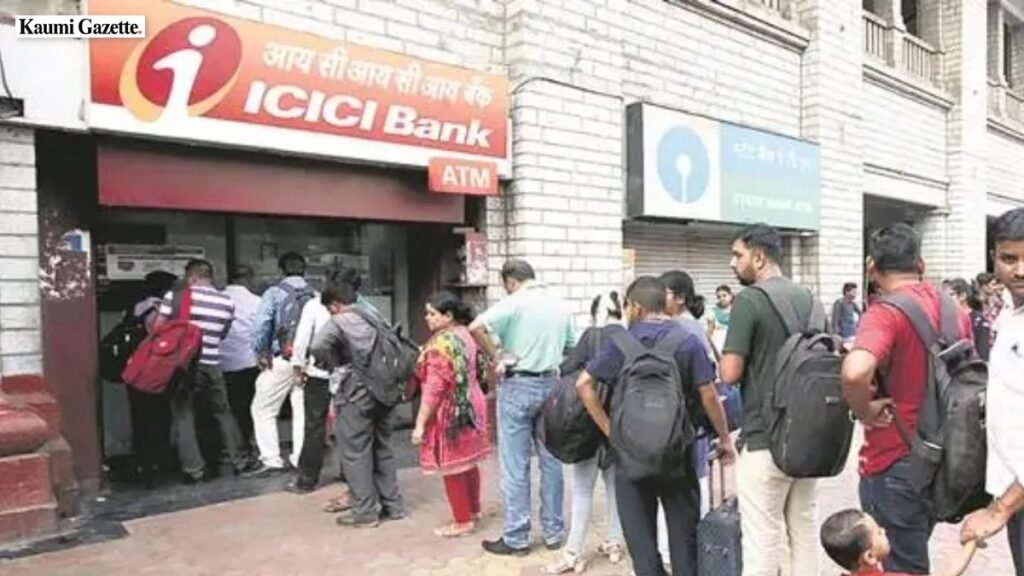
NEW DELHI — Ten years after the Modi administration invalidated high-value banknotes in a sweeping attempt to curb black money and expand digital transactions, currency in circulation across India has more than doubled, according to Reserve Bank of India data.
Prime Minister Narendra Modi announced the demonetisation of Rs 500 and Rs 1,000 notes at 8 pm on November 8, 2016, in a televised address. The withdrawn tender accounted for approximately 86 percent of India’s currency in circulation at the time, rendering the notes invalid as legal tender from midnight on November 9, 2016. The policy was projected by the government as a decisive strike against counterfeit currency, illegal financing, and undeclared wealth while accelerating the shift toward digital payments.
Data from the Reserve Bank of India shows that currency with the public stood at Rs 17.97 lakh crore on November 4, 2016, before plunging to Rs 7.8 lakh crore in January 2017. However, cash holdings subsequently rebounded, surging to Rs 42.55 lakh crore as of October 15, 2026. This marks an increase of nearly 137 percent over pre-demonetisation levels. During the calendar year 2026 up to October 16, cash with the public increased by Rs 5.26 lakh crore, or 14.1 percent, according to central bank figures.
The sudden withdrawal of notes in late 2016 caused an immediate economic contraction, with GDP growth declining by nearly 1.5 percentage points in November 2016. The currency-in-circulation-to-GDP ratio subsequently climbed to 14.4 percent in 2020-21—driven heavily by a rush to hold cash during stringent lockdowns to tackle the Covid-19 pandemic—before settling at 12.1 percent in the 2025-26 financial year, returning close to pre-demonetisation levels recorded at 8.7 percent in 2016-17. By comparison, the currency-to-GDP ratio stands at over 16 percent in Japan, 10.2 percent in China, and 7.3 percent in the United States.
Simultaneously, India has experienced a massive boom in digital transactions. Total digital payments across the country reached Rs 3,251.04 lakh crore in the 2025-26 financial year. Credit card, debit card, and wallet transactions alone accounted for approximately 151,611 lakh transactions with a combined value of Rs 30.31 lakh crore during the same period. By contrast, in the 2015-16 financial year preceding demonetisation, India recorded 10,038.67 million credit and debit card transactions with a combined value of Rs 29.39 lakh crore.
Following the initial demonetisation, new Rs 500 and Rs 2,000 notes were printed, though the Rs 2,000 note was subsequently withdrawn from circulation.
Related stories
 NationalDelhi Air Quality Enters Severe Category Following Diwali Celebrations
 NationalSupreme Court rules conviction cannot rely solely on unexamined handwriting expert opinion
 HeadlinesElection Commission simplifies voter reinstatement procedure for specific jurisdictions following judicial scrutiny
More from India
 NationalSSB jawan dies from gunshot wound at India-Nepal border outpost
 HeadlinesCongress launches nationwide campaign demanding removal of Chief Election Commissioner and electoral reforms
 HeadlinesKarnataka voter list shrinks by nearly eighteen percent following revision exercise by Election Commission
 HeadlinesSonia Gandhi describes upcoming memoir as personal narrative rather than political book
 NationalMadhya Pradesh High Court Quashes FIR Against Journalist Uvesh Khan Over Violence Reporting
 HeadlinesNew Zealand Election Ends in Tight Contest Pointing Toward Coalition Negotiations