
Global Stock Markets Fall Amid Technology Sector Decline and Rising Energy Costs
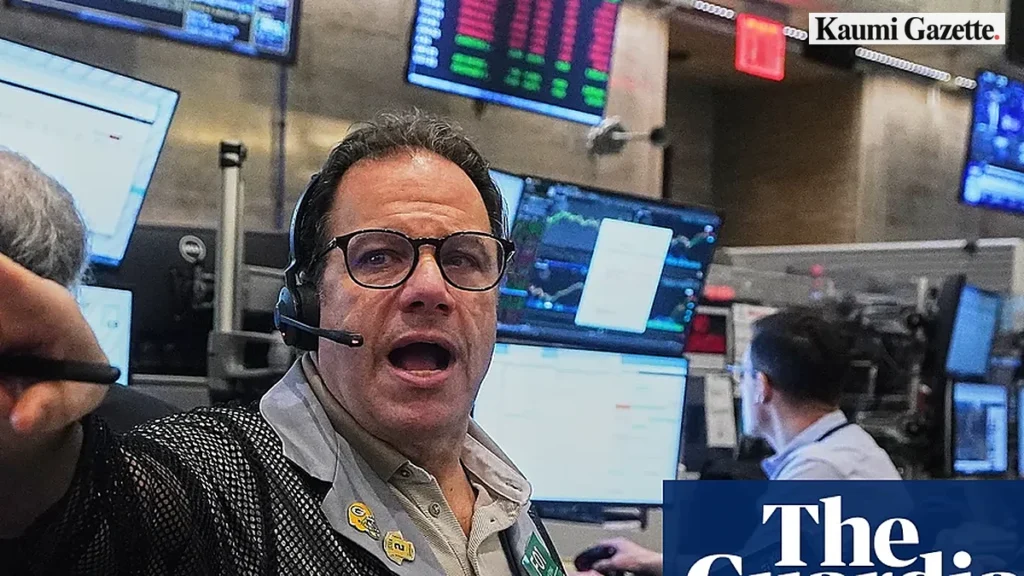
NEW YORK — Global stock markets suffered widespread losses on Thursday, driven by a sharp downturn in artificial intelligence and technology shares alongside climbing energy costs tied to the ongoing conflict with Iran.
The sell-off on Wall Street pulled major indices down, marking the worst trading session for the benchmark S&P 500 since July. The S&P 500 fell 1.2%, dropping 93.74 points to settle at 7,663.43. The technology-heavy Nasdaq composite tumbled 2.6%, losing 694.00 points to close at 26,008.86. Despite the broad tech retreat, the Dow Jones Industrial Average managed a fractional gain, adding 11.89 points, or less than 0.1%, to reach 52,867.98 as the majority of underlying US stocks posted gains.
The market turbulence reflects mounting investor anxiety over the massive capital expenditure and high borrowing costs required to finance artificial intelligence infrastructure, including specialized chips and datacenters. These financial pressures have begun to weigh heavily on technology valuations after a prolonged market frenzy. Simultaneously, geopolitical tensions in the Middle East pushed Brent crude oil up by 4% to $113.17 a barrel, reaching its highest level since May.
Asian and European markets mirrored the downward trend. In Asia, South Korea’s Kospi tumbled 3.5%, Hong Kong’s Hang Seng dropped 3%, and Japan’s Nikkei 225 sank 2.7%. In Europe, France’s CAC 40 index fell 1.4%, pressured by rising yields on French government bonds amid broader concerns over national debt loads and strained public budgets, echoing similar anxieties over heavy government borrowing across developed economies, including the United States.
Corporate earnings reports intensified the pressure on the tech sector. Meta Platforms shares fell 7% after the company reported quarterly revenue that surpassed analyst expectations but revealed a profit shortfall, alongside plans to issue a new class of stock to fund its AI investments. Nvidia declined 4.4%, while Lam Research tumbled 11.8% despite posting slightly better-than-expected summer profit and revenue. Tesla dropped 3.1% following a report showing stronger profit but weaker revenue than forecast for the summer. CoreWeave slid 10.1% amid concerns regarding the debt incurred to purchase Nvidia AI chips.
Amid the broader market contraction, some traditional consumer and industrial firms fared better. Procter & Gamble stock rose 5.6% after the company maintained its full-year growth forecasts for revenue and profit. Chief Executive Shailesh Jejurikar stated that the company expects ongoing geopolitical and economic challenges to persist.
Bond markets also reacted to the shifting economic landscape. The yield on the US 10-year Treasury tumbled to 4.97%, down from 5.13% late Wednesday and from over 5.30% earlier in the month. Separately, government data showed that fewer US workers applied for unemployment benefits during the previous week.
Related stories



More from World
 WorldTehran bars US military from Gulf as regional hostilities escalate across Middle East
 WorldIsraeli Forces Level Hebron Neighborhood, Displacing Hundreds Following Checkpoint Attack
 WorldUS Intelligence Warns of Advanced Iranian Plots Targeting American Personnel Abroad
 WorldBrazilian Presidential Candidates Clash in Final Debate Prior to Run-off Election
 WorldIsrael Launches West Bank Offensive and Lockdown Following Hebron Attack
 WorldUS Secretary of State Marco Rubio urges Cuban citizens to partner with CIA