
Uttar Pradesh Electoral Roll Revision Sparks Political Debate Following Voter Reduction
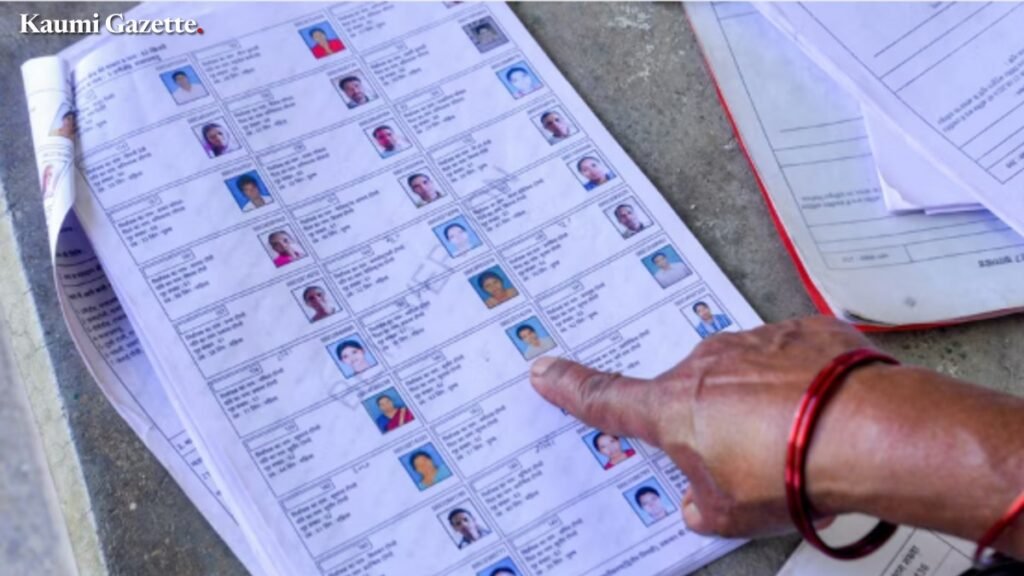
LUCKNOW — Post-Special Intensive Revision electoral rolls in Uttar Pradesh have emerged as a central political flashpoint ahead of the 2027 assembly elections, following a 13.24% reduction in registered voters across the state.
The shrinking voter rolls have triggered sharp political sparring between the state’s ruling leadership and the opposition. Uttar Pradesh’s total electorate contracted from 15.44 crore to 13.39 crore, totaling 133,984,792 voters, after the revision process concluded.
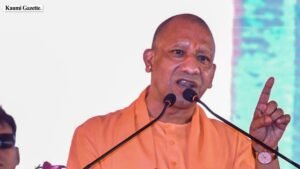
Chief Minister Yogi Adityanath alleged that the names of 1.27 crore Hindu voters are missing from the post-SIR electoral list, while simultaneously claiming a 1.65% increase in Muslim voters. Adityanath further detailed that out of the omitted voters, 66 lakh are enrolled in the State Election Commission’s panchayat voter list, 55 lakh are welfare scheme beneficiaries, and 4.5 lakh are young voters aged 18 to 19.
Districts recording the highest net voter deletions included Lucknow, Ghaziabad, Kanpur Nagar, Gautam Buddha Nagar, and Meerut. Conversely, districts with the lowest deletions comprised Lalitpur, Hamirpur, Pilibhit, Mahoba, and Banda. During the draft stage, the Election Commission of India flagged 28.9 million individuals as uncollectible voters, including permanently shifted, deceased, duplicate, and untraceable persons.
Weighing in on the controversy, Samajwadi Party chief Akhilesh Yadav challenged Adityanath to back long-standing opposition demands for sweeping electoral reforms. Yadav called for linking Aadhaar to voting, issuing metal cards to voters, and adopting fingerprint or iris-based biometric identification.
Rejecting the allegations of demographic bias, Uttar Pradesh Chief Electoral Officer Navdeep Rinwa stated that during the special intensive revision, there was no deletion or addition of voters targeting any specific community, assembly constituency, town, or village. Rinwa added that no formal complaints had been lodged by political parties following the final publication of the rolls.
The Election Commission of India has issued three key directives moving forward: Local Body Roll Matching, Ration Shop Audits, and a Women Voter Drive.
The electoral calendar continues with the ECI launching a Special Summary Revision on November 17, alongside the publication of the integrated draft electoral roll. Claims and objections regarding inclusions, deletions, or corrections will be accepted from November 17 to December 16, disposed of by December 28, and culminate in the final publication of the electoral roll on January 4, 2027.
Related stories
 Uttar PradeshUttar Pradesh Government Plans Seventy Eight New Biogas Plants to Convert Stubble into Clean Energy
 HeadlinesDairy farmers march in Kolhapur to protest ordinance altering Gokul milk cooperative voting rights
 HeadlinesDelhi CEO accepts delegation proposals to streamline voter roll revision process
More from UP Politics
 HeadlinesElection Commission Extends Deadline for Electoral Roll Claims and Objections
 HeadlinesTeenage girl dies after assault in Firozabad as police arrest three suspects
 HeadlinesStephen Miller assumes White House chief of staff role following administration shakeup
 HeadlinesRecruitment candidates face travel disruptions in National Capital Region amid security curbs
 Uttar PradeshThree Dead and Dozens Injured After Bus Plunges Into Ditch on Lucknow-Agra Expressway
 HeadlinesChief Minister Yogi Adityanath alleges mass exclusion of Hindu voters in Uttar Pradesh electoral rolls